To deeply implement the fundamental task of fostering virtue through education and solidly advance the learning and education of establishing and practicing correct perspectives on performance, the School of Earth and Environmental Sciences held an undergraduate education and teaching exchange symposium in the conference room of the Academic Exchange Center on the Yuzhong Campus on the morning of March 29, to comprehensively coordinate and assign recent key tasks.
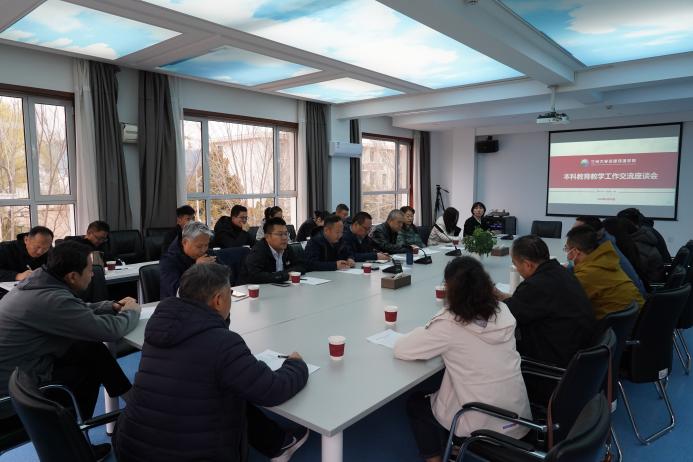
Members of the School leadership team, the undergraduate teaching steering committee, department heads, undergraduate academic class advisors, class advisors, "Three Approaches" teacher representatives, teaching secretaries, and counselors attended the meeting. The meeting was chaired by Li Ting, Deputy Secretary of the Party Committee of the School.
Deputy Secretary Li Ting summarized the achievements and shortcomings of the School's current undergraduate training from the aspects of students' ideological trends, academic development, class building, and employment outcomes. She highlighted and provided specific guidelines on the joint efforts of teachers and students to build a strong baseline for safety and stability, the comprehensive cultivation of an excellent academic atmosphere, and multi-line collaboration to achieve high-quality employment.
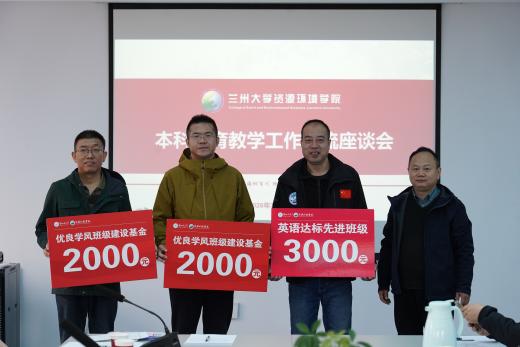
Vice Dean Guan Qingyu made specific arrangements for undergraduate teaching work in the new semester based on the "Consolidation and Elevation" implementation plan. He emphasized that course instructors should organically integrate ideological and political education elements into professional courses to improve the quality and effectiveness of classroom education. Class advisors are required to perform their duties diligently and play an active role in enhancing professional identity, building class academic atmosphere, improving foreign language skills, guiding students for postgraduate studies, and assisting students struggling academically. At the meeting, class building awards were also presented to the classes that earned the titles of "Outstanding Academic Atmosphere Class" and "Advanced Class in English Proficiency" for 2025.
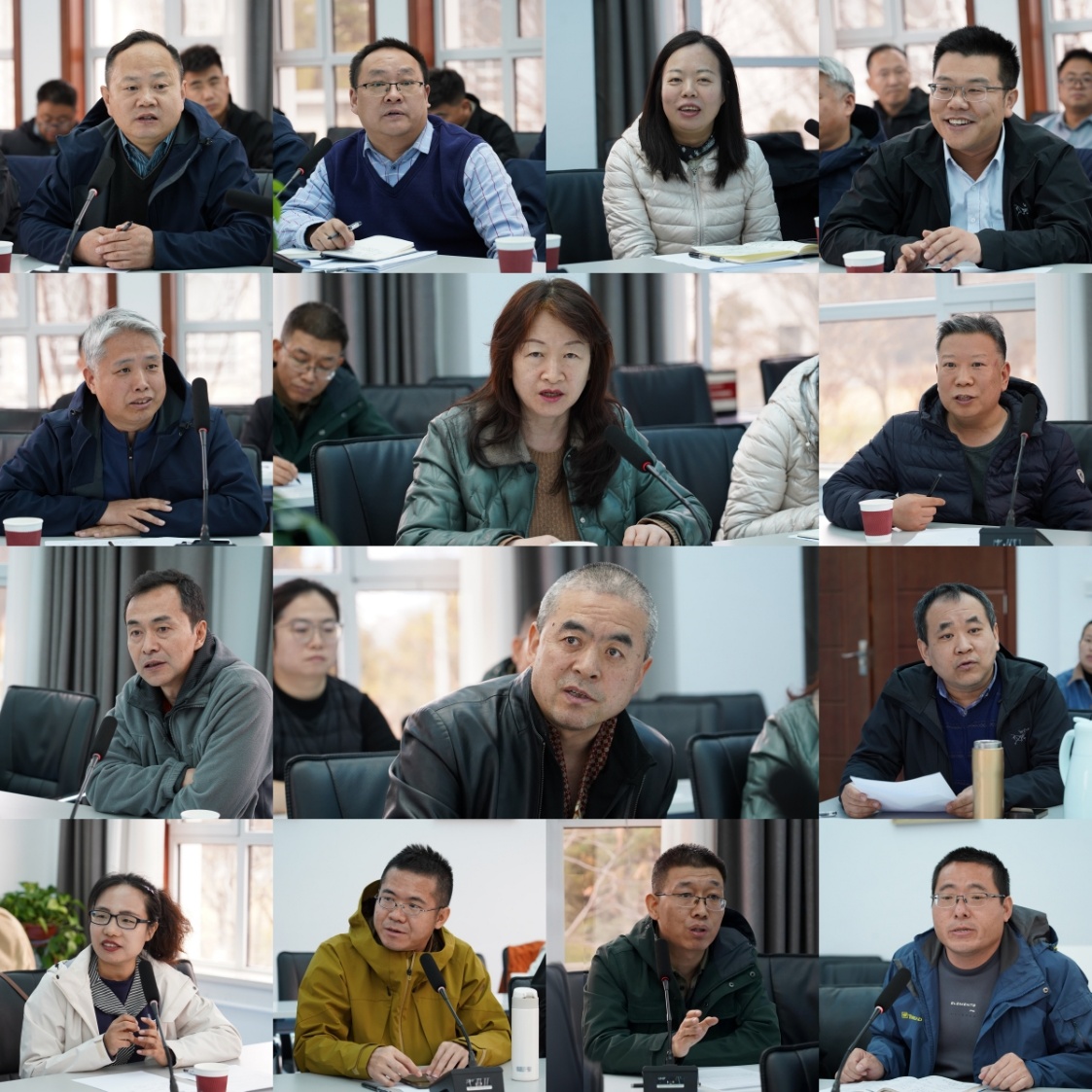
During the experience exchange session, teachers shared their educational experiences based on their own work practices, focusing on themes such as psychological counseling, academic atmosphere construction, academic assistance, international exchange, and employment development. Wang Dan, Deputy Director of the Office of the Leading Group for Comprehensively Deepening Reform, speaking as a representative of the "Three Approaches" teachers, shared insights on how to help students "find a sense of direction, a sense of purpose, and a sense of strength". Gou Xiaohua, an academic class advisor for the class of 2025, noted that student work is the lifeblood of the university's development. She suggested that teachers who grow together with students should position themselves as life mentors; establish a trusting relationship through inner emotional stability, a broad vision, greater love and devotion, and approaches that resonate with the times; and proactively shoulder the responsibility of education. Based on practical realities, the participating teachers discussed their methods, results, and experiences, proposing a series of replicable and scalable work measures. This provided valuable references for the work of class advisors and the "Three Approaches" initiative, resulting in a vibrant and highly effective exchange atmosphere.
The Secretary of the Party Committee of the School delivered a concluding speech. He emphasized the need to consistently adhere to a "student-centered" educational philosophy. Educators must respect individual differences, teach according to students' aptitudes, and implement precise strategies, while also facing up to the practical challenges in training work to comprehensively promote the organic unity of talent cultivation, scientific research, team building, and discipline development. Educating students relies on the conscience and continuous time investment of educators. He encouraged all teachers to embrace the "ribbon time" management concept, persist in "comparing with oneself and learning from others", devote more energy to the frontline of teaching and mentoring, and fulfill their educational mission through practical actions.
After the meeting, the teachers visited the student dormitories for face-to-face conversations. They sought to understand the students' academic challenges and psychological states, listen to their needs, and earnestly translate the requirements of the meeting into compassionate educational practices.


