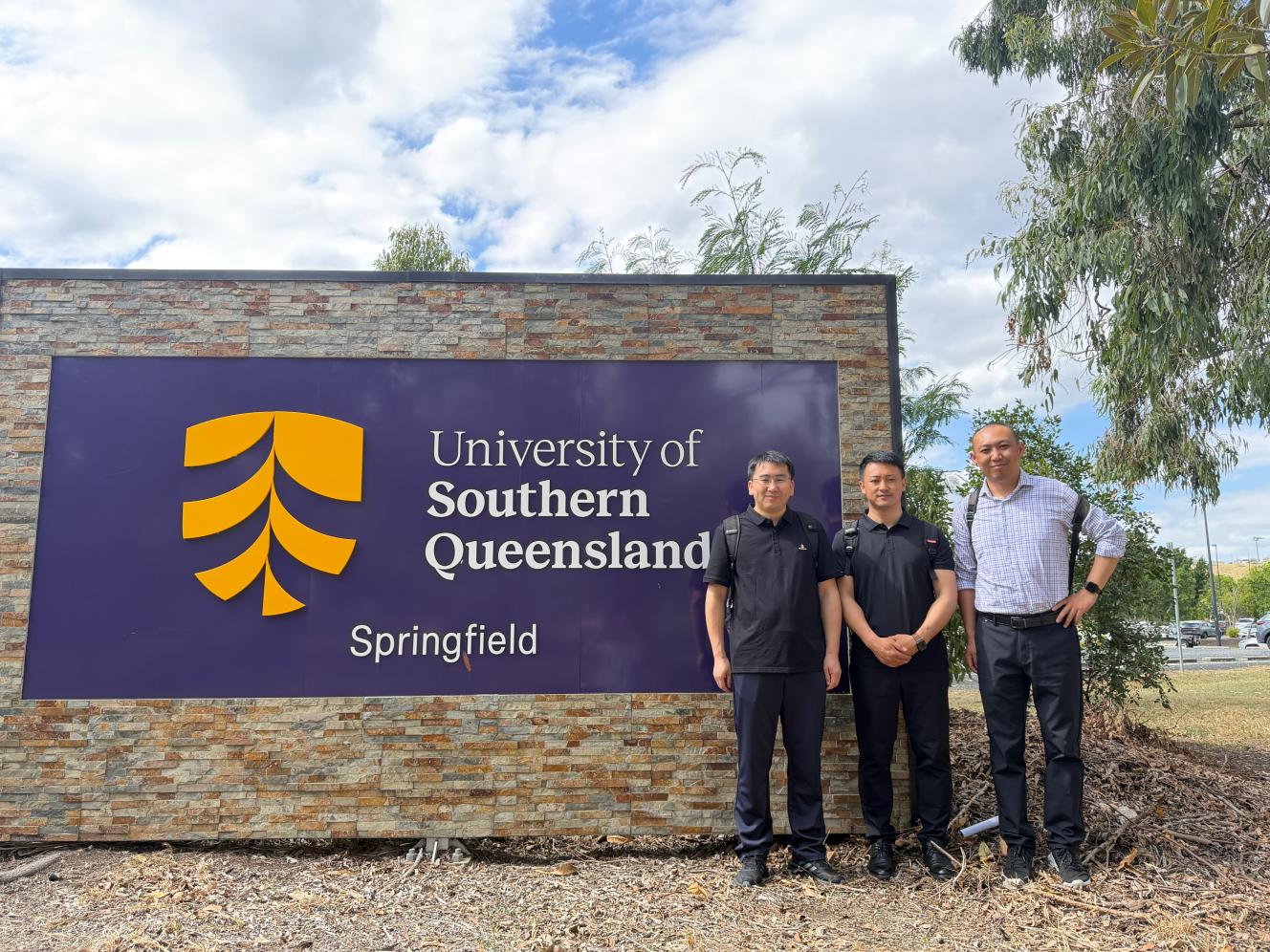
In order to thoroughly implement the Outline of the Plan for Building a Leading Country in Education (2024-2035), advance high-level opening-up and international research collaboration, and support the cultivation of top-notch innovative talents, three young scholars from the School of Earth and Environmental Sciences, Lanzhou University—Professor Wang Xuejia, Professor Zhang Junzhou, and Associate Professor Yang Haijiang—visited the University of Southern Queensland (USQ), Australia, from April 13 to 26, 2026. They participated in the first China-Australia Early Career Researcher (ECR) Capacity Building Program, jointly organized by the China Education Association for International Exchange (CEAIE) and Universities Australia. The scholars successfully completed the two-week program, which included thematic workshops, laboratory visits, and joint research discussions, achieving fruitful collaborative outcomes.
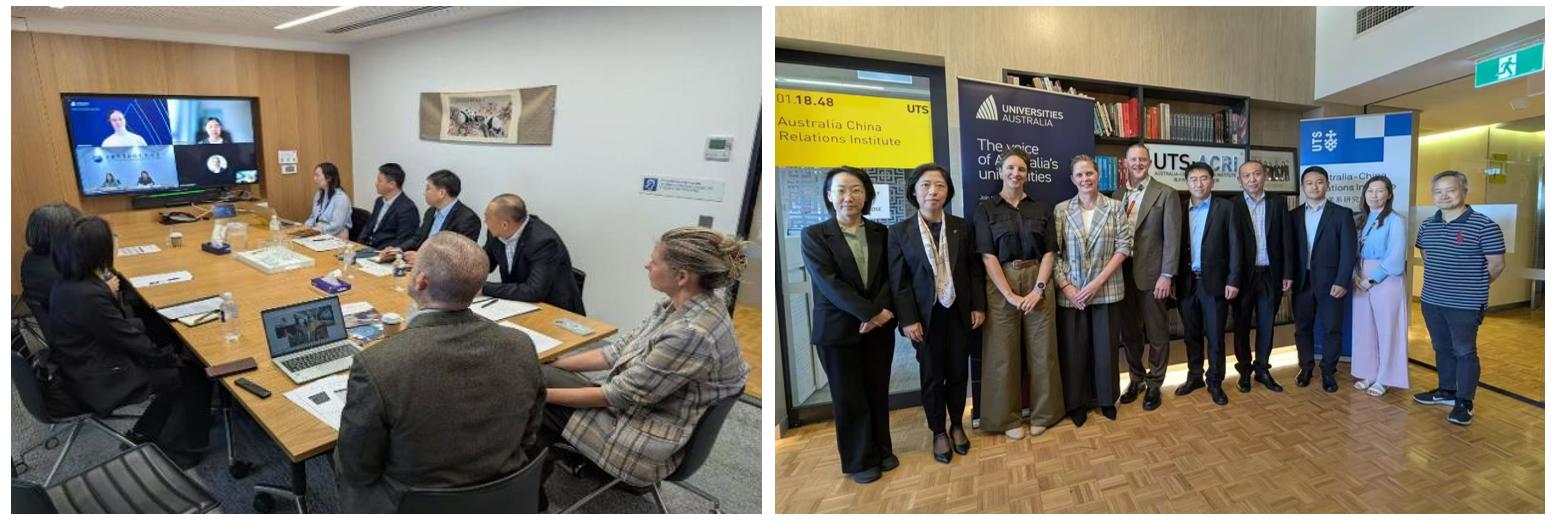
On April 13, the program was officially launched at the University of Technology Sydney (UTS). Dr. Angela Lehmann, Senior Director of International Affairs at Universities Australia; Liu Yibo, Director of the Higher Education Cooperation Division of the CEAIE Secretariat; and Minister Counselor Li Wei of the Chinese Embassy in Australia attended the opening ceremony and delivered speeches. All parties highly affirmed the significance of China-Australia higher education cooperation and expressed the hope that young researchers would focus on global issues such as climate change and green transition, deepen joint research, and promote people-to-people bonds. Professors Wang Xuejia, Zhang Junzhou, and Associate Professor Yang Haijiang, representing Lanzhou University as the first university team to participate in the program, fully demonstrated their professionalism and international vision.
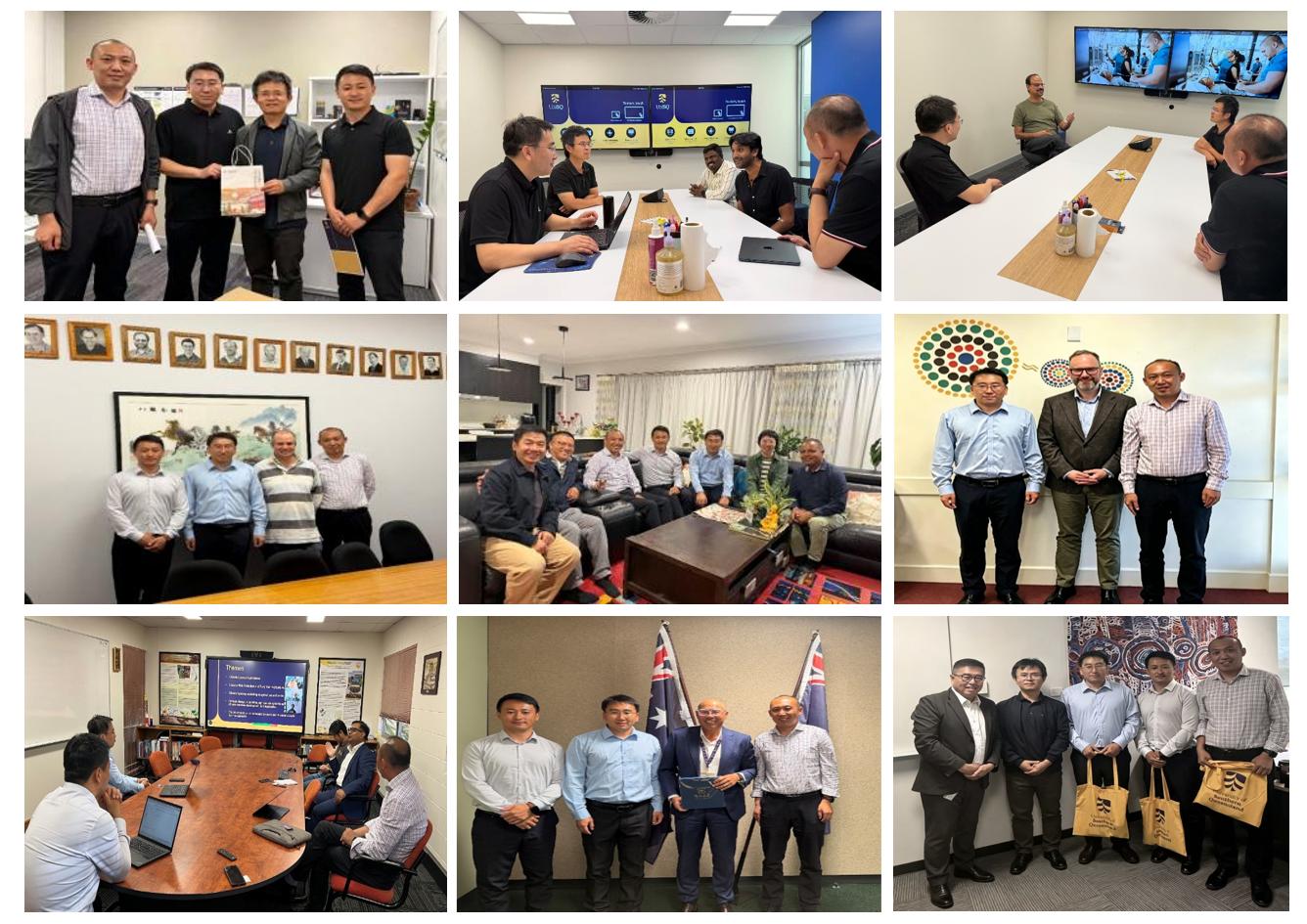
During their stay in Australia, the Lanzhou University scholars engaged in in-depth exchanges with multiple faculties and research platforms at the University of Southern Queensland's Springfield and Toowoomba campuses, focusing on climate change and modeling, ecosystem services, artificial intelligence applications, remote sensing, and hydroclimatic models. They held thematic discussions with experts including Min Hong, Ashok Nanjundan, Rajendra Acharya, Armin AghaKarimi, Ravinesh Deo, Tek Maraseni, and Shahbaz Mushtaq, covering topics such as laboratory management, cutting-edge technologies, interdisciplinary applications, collaborative publishing, project applications, and joint talent cultivation. A number of practical cooperation intentions were reached. The team also met with senior leaders including Luke Sheehy, CEO of Universities Australia; Professor Ren Yi, Pro Vice-Chancellor (International) of USQ; Professor Robert Sang, Pro Vice-Chancellor (Research); as well as representatives from USQ's International Office and the Faculty of Health, Engineering and Sciences. They fully reported on their exchange progress and cooperation plans. The university highly appreciated the professionalism and sincerity of the Lanzhou University scholars and explicitly expressed full support for establishing long-term mechanisms in joint research, postgraduate training, and personnel exchanges, promoting tangible outcomes.
This exchange marks an important practice for Lanzhou University in implementing its education opening-up strategy and expanding its international collaboration network. The program not only deepened the partnership between Lanzhou University and the University of Southern Queensland but also broadened the academic horizons of the young scholars. Furthermore, it led to a series of consensus on cooperation in areas such as climate change, green and low-carbon transition, agricultural modeling, and ecological sustainability, laying a solid foundation for future joint applications for international projects, high-impact publications, and co-supervised postgraduate students.
Moving forward, Lanzhou University will take this ECR Program as an opportunity to continuously follow up on the implementation of cooperation intentions, further expand exchange channels with high-level universities in Australia and other countries, enhance the international influence of its disciplines, and inject stronger momentum into the university's "Double First-Class" construction and the cultivation of high-caliber talent.
Authors: Yang Haijiang, Zhang Junzhou, Wang Xuejia


