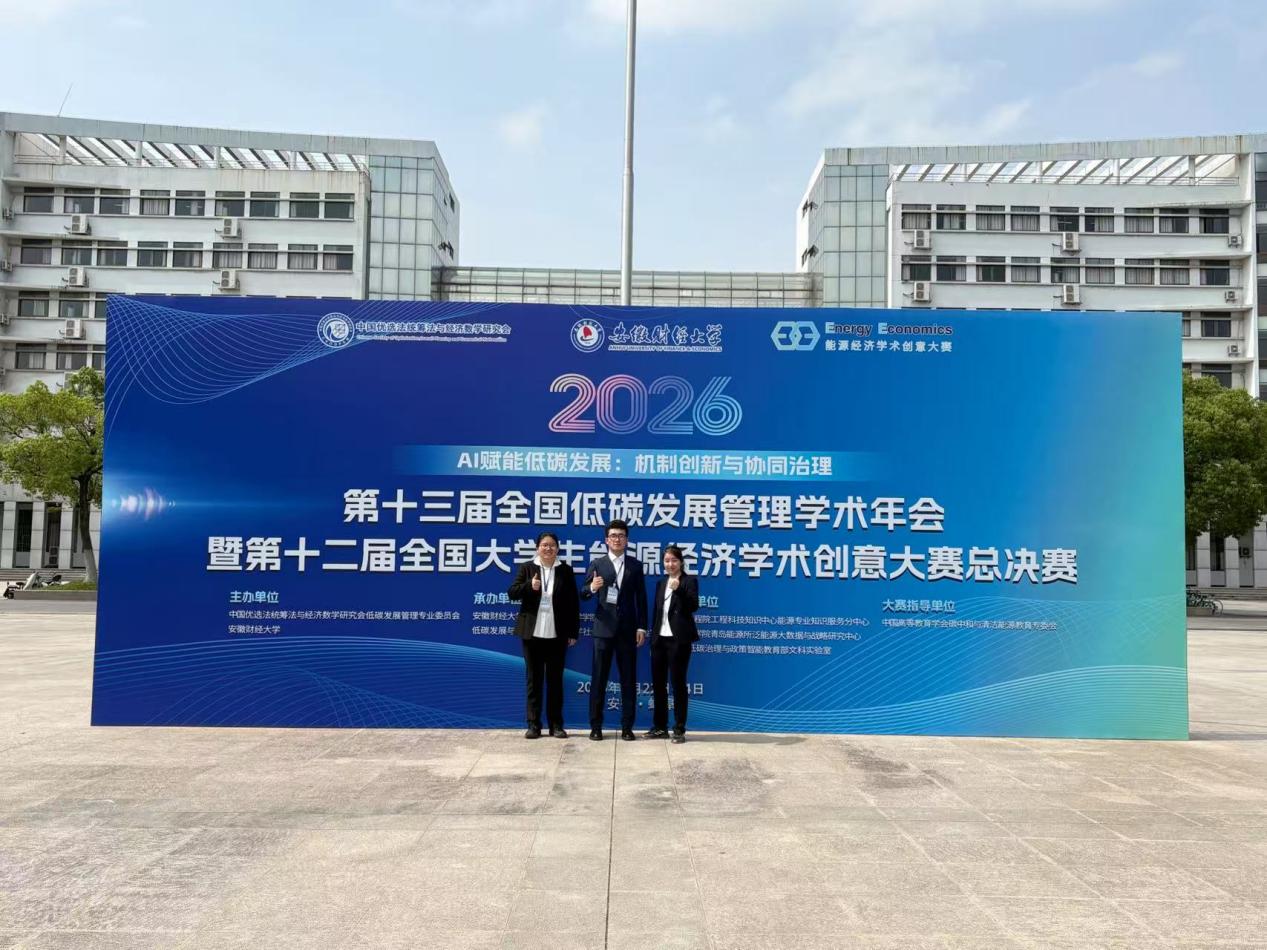
From May 23 to 24, the 12th China National College Students Competition on Energy Economics successfully concluded at Anhui University of Finance and Economics in Bengbu, Anhui. A team from the School of Earth and Environmental Sciences, Lanzhou University, supervised by Professor Wang Meimei and composed of 2024 undergraduate students Zhang Chenghe, Wang Zixian, Ding Wenhui, and Tian Yuanhao, won the National Grand Prize for their project titled "Identification of Key Nodes and Resilience Measurement of the New Energy Industry Chain Network: A Case Study of Gansu Province".
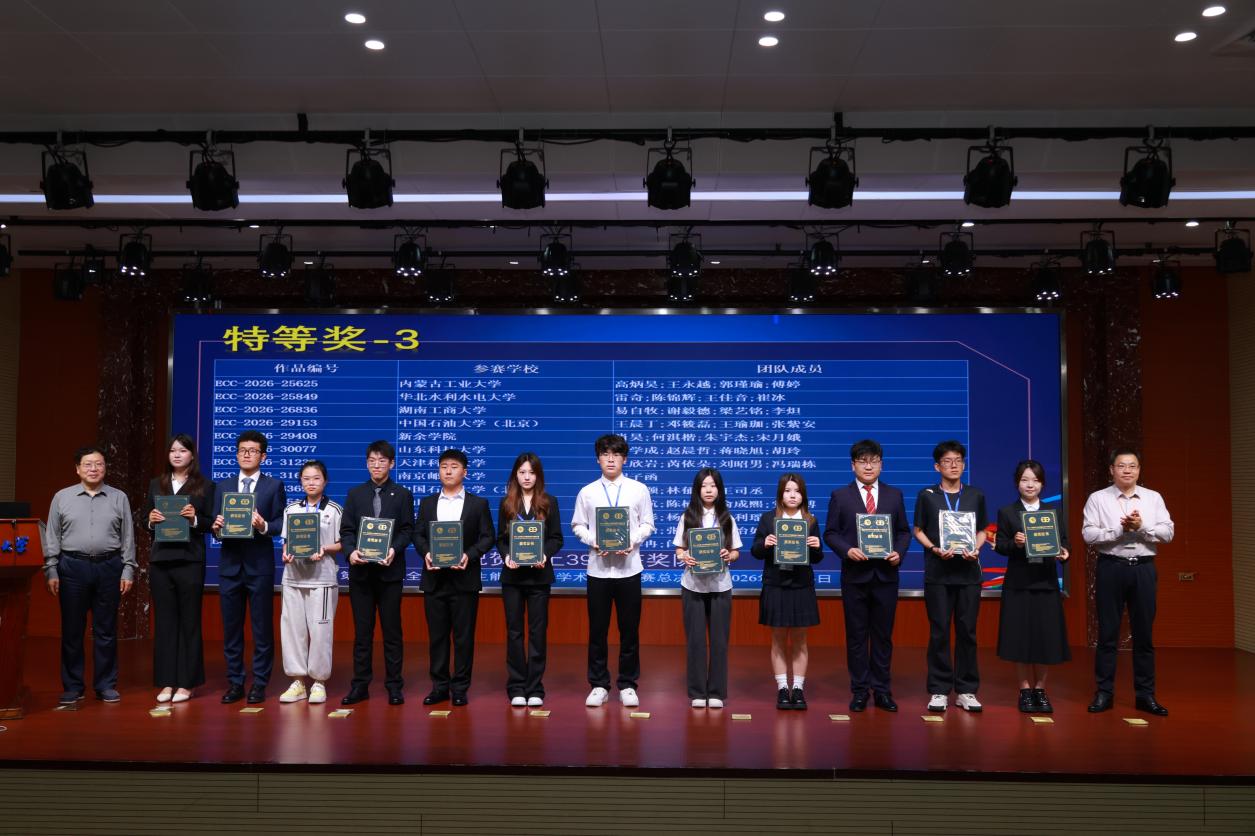
This competition has been officially included in the National College Student Competition Directory and is one of the most influential national-level events in the field of energy economics. Guided by the Committee of Carbon Neutrality and Clean Energy Education of the China Association of Higher Education, the competition is hosted by the Chinese Society of Optimization, Overall Planning and Economic Mathematics (China "Shuangfa" Society) and specifically executed by its Low Carbon Development Management Committee. Characterized by standardized organization and rigorous selection, the competition received a total of 24,088 valid entries, of which only 1,698 advanced to the national round after multiple screening stages. Ultimately, just 200 high-quality projects were selected for the on-site defense at the national finals. The students from the School of Earth and Environmental Sciences remained composed throughout the process, earning the judges' recognition through their solid professional knowledge and clear logical presentation during the final defense, securing this prestigious honor.
The award-winning project focused on the national "dual carbon" strategy and the practical development of new energy in Gansu Province. Addressing the structural contradiction between resource endowment advantages and constraints in grid consumption and outbound transmission, the team integrated multi-disciplinary methods from geography, systems science, and other fields to construct a composite industrial network model encompassing five sub-chains: wind, solar, thermal, storage, and hydrogen. By identifying key nodes and measuring the system resilience configuration range, the project demonstrated not only solid data analysis and modeling capabilities but also the students' pragmatic commitment to applying their expertise to serve the development of Western China.
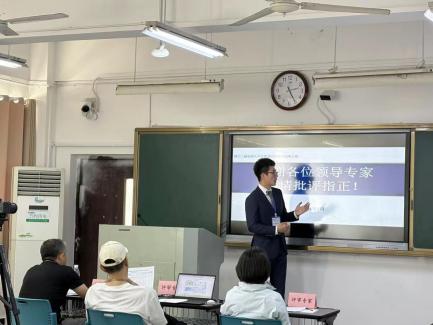
The School of Earth and Environmental Sciences has consistently adhered to the philosophy of "promoting learning, training, teaching, and research through competitions", making academic competitions a vital vehicle for deepening practice-oriented education. Winning this National Grand Prize represents not only a milestone in the school's talent cultivation efforts but also a new starting point for the continued collaborative efforts of faculty and students. Moving forward, the school will continue to build platforms for innovation and practice, guiding young students to strengthen their professional foundations and enhance their innovative capabilities, consciously integrating their personal development into the broader picture of the nation's energy transition and green development. The school expects more students to stay grounded and forge ahead with determination, continuously achieving breakthroughs and demonstrating their talents in both academic learning and scientific exploration.