From August 7 to 10, 2026, the Annual Conference of the Archaeometry Committee of the Chinese Society for the History of Science and Technology and the 18th National Archaeometry Academic Symposium were grandly held at Lanzhou University. The conference was hosted by the Archaeometry Committee of the Chinese Society for the History of Science and Technology, and organized by the School of Earth and Environmental Sciences, Lanzhou University, the Center for Environmental Archaeology and Cultural Heritage Science of Lanzhou University, and the Key Laboratory of Western China's Environmental Systems (Ministry of Education) of Lanzhou University. It was co-organized by the Department of Archaeology and Anthropology, School of Humanities, University of Chinese Academy of Sciences; the Institute of Environmental Archaeology, Nanjing Normal University; the Transcontinental Exchanges and Silk Road Civilizations Alliance (ATES); and the Environmental Change and Environmental Archaeology Committee of the Geographical Society of China. Over 300 experts, scholars, and graduate students from more than 80 universities, research institutes, and cultural heritage institutions across China gathered in Lanzhou to participate in this academic event in the field of archaeometry.
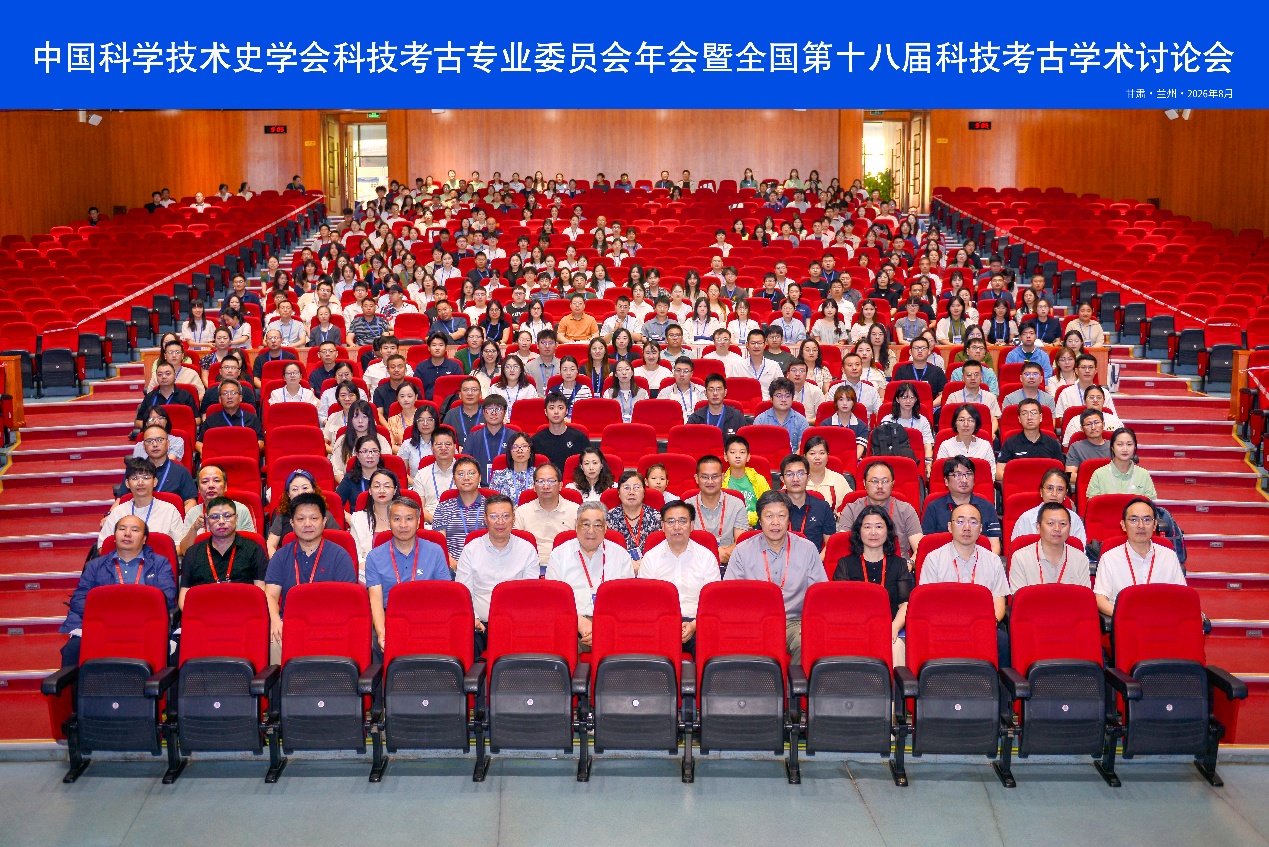
Group Photo from the Conference
On the morning of August 8, the opening ceremony was held in the auditorium of the Lanzhou University Student Activity Center. The ceremony was presided over by Professor Li Yu, Dean of the School of Earth and Environmental Sciences, Lanzhou University. In his welcome address, Mr. An Juntang, Deputy Party Secretary of Lanzhou University, noted that the conference focused on interdisciplinary integration in archaeometry, aiming to deepen the study of Chinese civilization through multidisciplinary approaches, and presented the university's recent achievements and future plans in environmental archaeology. Mr. Chen Yuzhu, Deputy Director of the Gansu Provincial Administration of Cultural Heritage, emphasized that Gansu, as an important birthplace of Chinese civilization, is witnessing a paradigm shift in archaeological research from traditional approaches to multidisciplinary integration. He highlighted the fruitful outcomes of collaboration between the administration and the university, and expressed the hope that the conference would further deepen exchanges and cooperation, injecting new momentum into the high-quality development of Chinese archaeology in the new era. Professor Hu Yaowu, Director of the Archaeometry Committee of the Chinese Society for the History of Science and Technology and Professor at Fudan University, read out the congratulatory letter from the Society, affirming that archaeometry has evolved into a comprehensive research paradigm integrating remains, environment, technology, and social context. He called on the academic community to leverage the geographical advantage of being at the crossroads of Silk Road civilizations, translate technological achievements into historical explanatory power, and actively respond to the needs of both civilizational origin research and national strategies. Professor Wang Changsui, a founding figure of the National Archaeometry Academic Symposium and Professor at the University of Chinese Academy of Sciences, reviewed the rapid development of Chinese archaeometry over the past 38 years, objectively analyzed the factors behind the quantity and pace of paper publications, and called for stricter peer review and higher quality standards. He also noted that the AI era will bring new research opportunities to archaeology. Academician Chen Fahu, Member of the Chinese Academy of Sciences, Director of the Center for Environmental Archaeology and Cultural Heritage Science at Lanzhou University, and Researcher at the Institute of Tibetan Plateau Research, Chinese Academy of Sciences, introduced the development history of the Lanzhou University team, which started from geography and gradually expanded to multidisciplinary research encompassing human-environment relationships, civilizational evolution, and cultural heritage conservation. He called for integrating the strengths of various academic societies, actively aligning with major national scientific and technological needs, and jointly promoting the growth and strengthening of archaeometry.
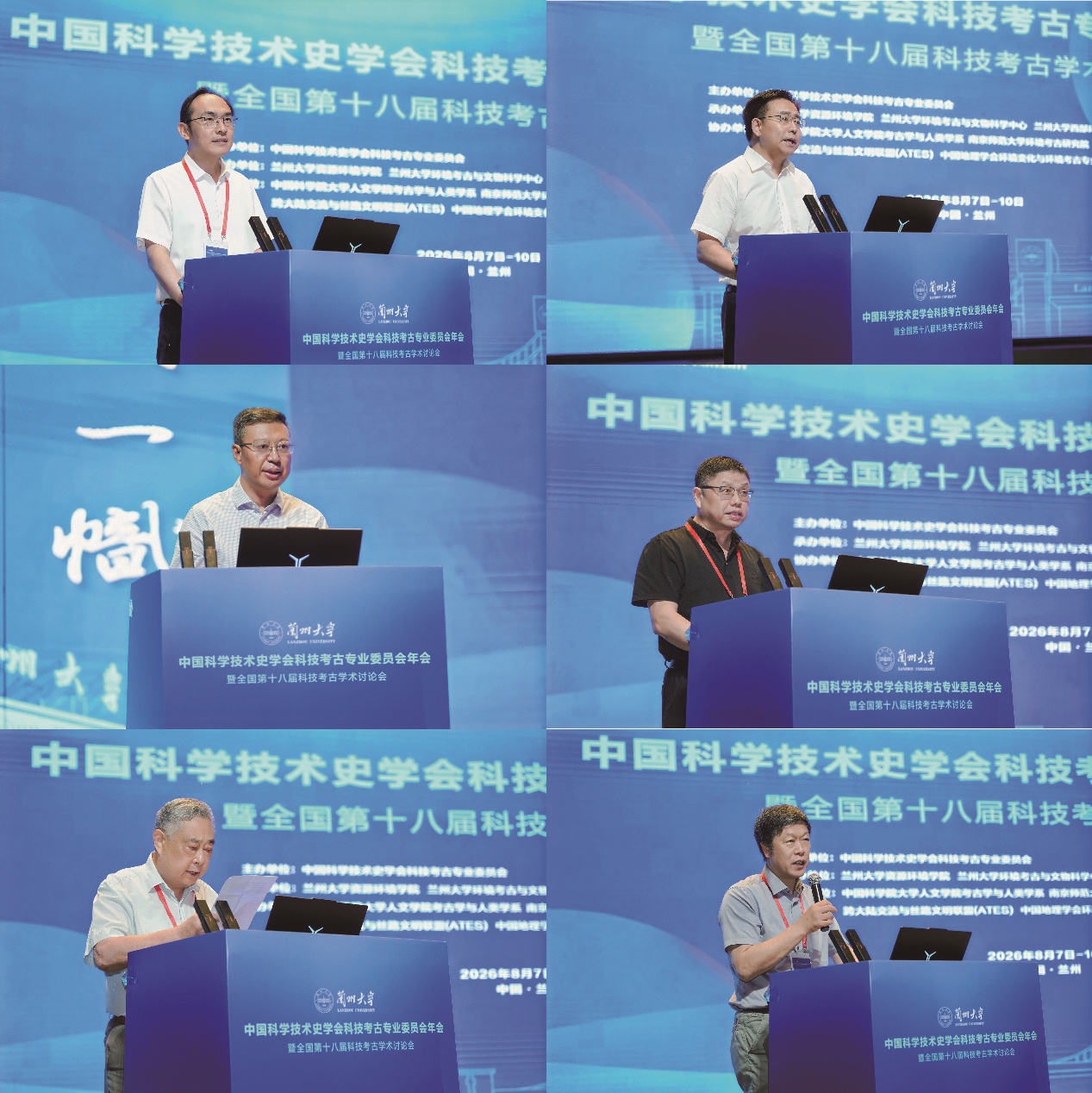
Opening Ceremony Speech
The conference focused on frontier topics in archaeometry and was organized into six thematic sessions: Bioarchaeology and Agricultural Archaeology; Silk Road Civilizations and Subsistence Archaeology; Environmental Archaeology and Digital Archaeology; Metallurgical Archaeology and Ceramic Archaeology; Cultural Heritage Conservation and Research; and Experimental Archaeology and Others. The conference featured 11 invited plenary lectures, over 150 parallel session presentations, and 4 poster presentations, collectively showcasing significant recent advances in Chinese archaeometry.
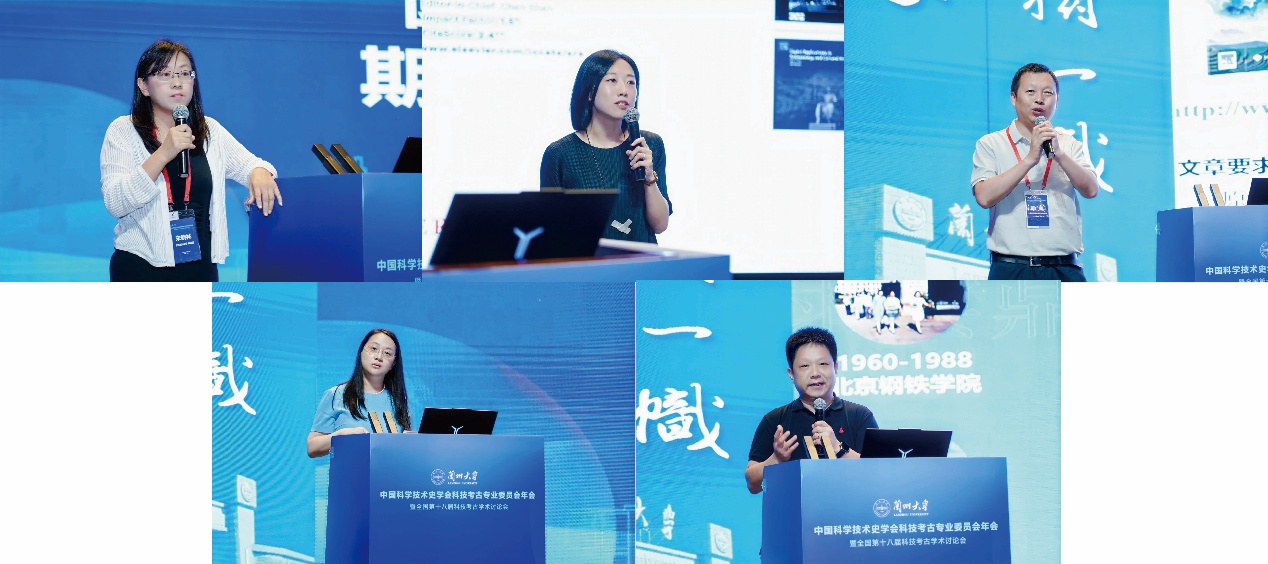
The invited plenary lectures were exceptionally rich and diverse. Academician Chen Fahu from the Institute of Tibetan Plateau Research, Chinese Academy of Sciences and the Center for Environmental Archaeology and Cultural Heritage Science at Lanzhou University delivered a talk entitled "Exploring the Survival and Development of the Xiahe Denisovans and Hunter-Gatherer Populations on the Tibetan Plateau", presenting the latest research findings on ancient human activities on the plateau. Professor Wang Fang from Peking University discussed issues of settlement sustainability in the Two Rivers (Yangtze and Yellow Rivers) region. Researcher Zhang Jianping from the Institute of Geology and Geophysics, Chinese Academy of Sciences reported on new advances in phytolith analysis for studying the origins of agriculture in East Asia. Associate Researcher Chen Xianglong from the Key Research Laboratory for Archaeometry and Cultural Heritage Conservation, Chinese Academy of Social Sciences, and the Institute of Archaeology, Chinese Academy of Social Sciences, focused on archaeological chronometry in the study of Chinese civilization's origins, sharing some new insights. Associate Professor Wen Shaoqing from Fudan University presented research progress in molecular archaeology and explored the potential application prospects of artificial intelligence technology in the archaeological field. In addition, Professor Cui Jianfeng from Peking University, Professor Jiang Hong'en from the University of Chinese Academy of Sciences, Professor Jia Xin from Nanjing Normal University, Professor Liu Siran from the University of Science and Technology Beijing, Professor Zhao Yongsheng from Shandong University, and Professor Ma Minmin from Lanzhou University each delivered presentations on their latest research in areas including the origins of white porcelain technology, plant exchanges along the Silk Road, human-environment relationships in the Yangtze River basin, data-driven metallurgical archaeology, human osteobiography, and prehistoric agricultural development in the western Loess Plateau.
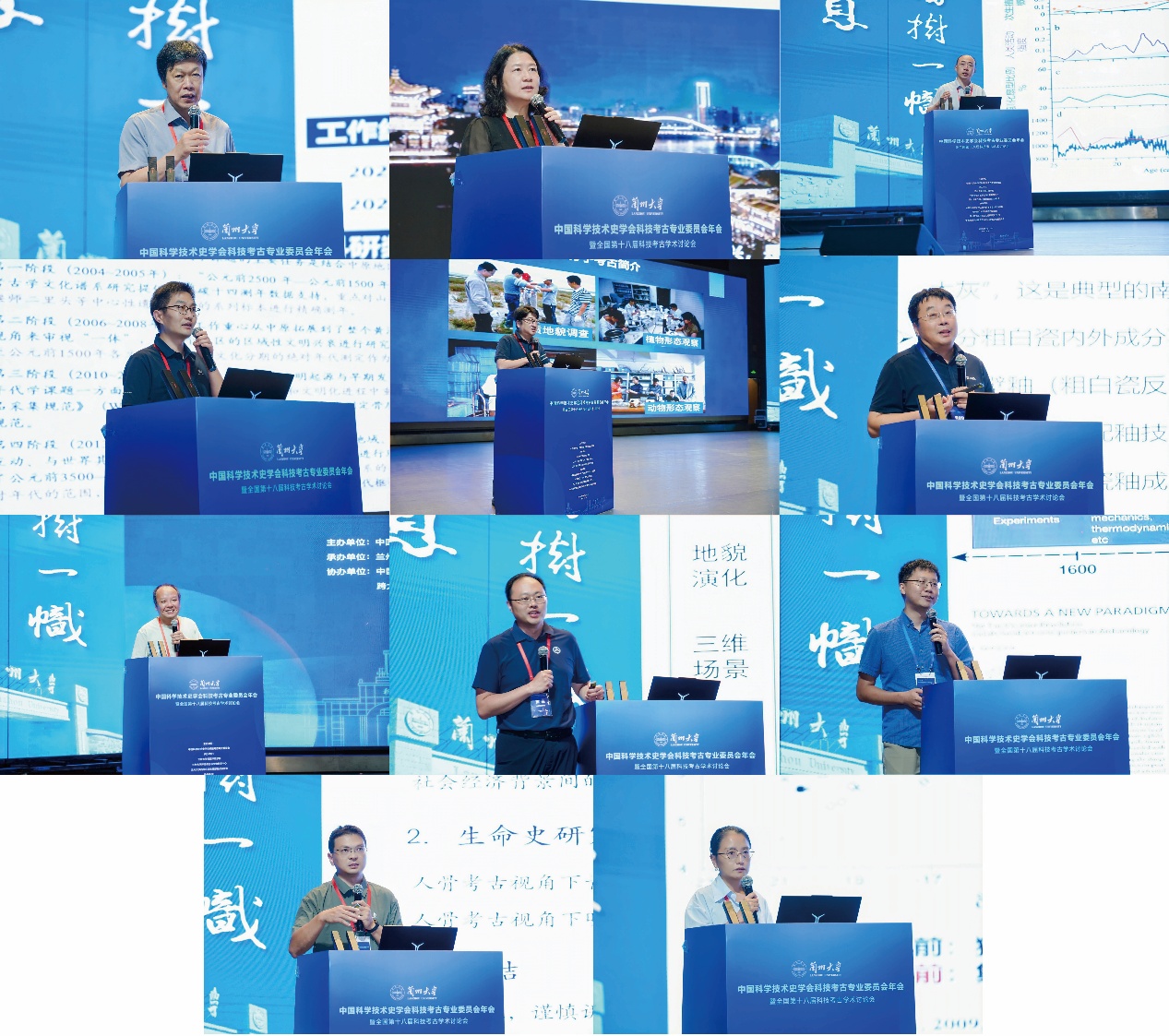
The Invited Plenary Lectures
The parallel session presentations primarily focused on six thematic research areas: Silk Road and Subsistence Archaeology: Leveraging scientific methods such as isotope analysis and molecular biology, this session clarified the transcontinental transmission pathways of animal and plant resources and craft technologies from prehistoric to historical periods. Environmental and Digital Archaeology: By integrating multiple environmental proxy indicators to reconstruct paleoclimate evolution sequences, this session revealed the mechanisms through which environmental changes influenced prehistoric social development and population migration. Bioarchaeology and Agricultural Archaeology: Integrating multidisciplinary methods including isotopes, ancient DNA, ancient proteins, and phytolith analysis, this session elucidated the origins and transmission routes of China's farming systems, solidifying the scientific foundation for research on the origins of agriculture. Metallurgical and Ceramic Archaeology: This session reconstructed traditional crafts such as ancient metal smelting, artifact casting, and ceramic firing, and traced the evolutionary history of ceramic technology transmission and commercial development from the perspective of the Maritime and Continental Silk Roads. Cultural Heritage Conservation: Focusing on the study of deterioration mechanisms affecting various types of cultural relics, this session aimed to establish a systematic and standardized technical system for cultural relic preservation. Experimental Archaeology: Through simulated reconstruction experiments of crafts and ancient architecture, this session refined the standardized archaeological research paradigm integrating field sampling, laboratory analysis, and simulation verification—a trinity approach.
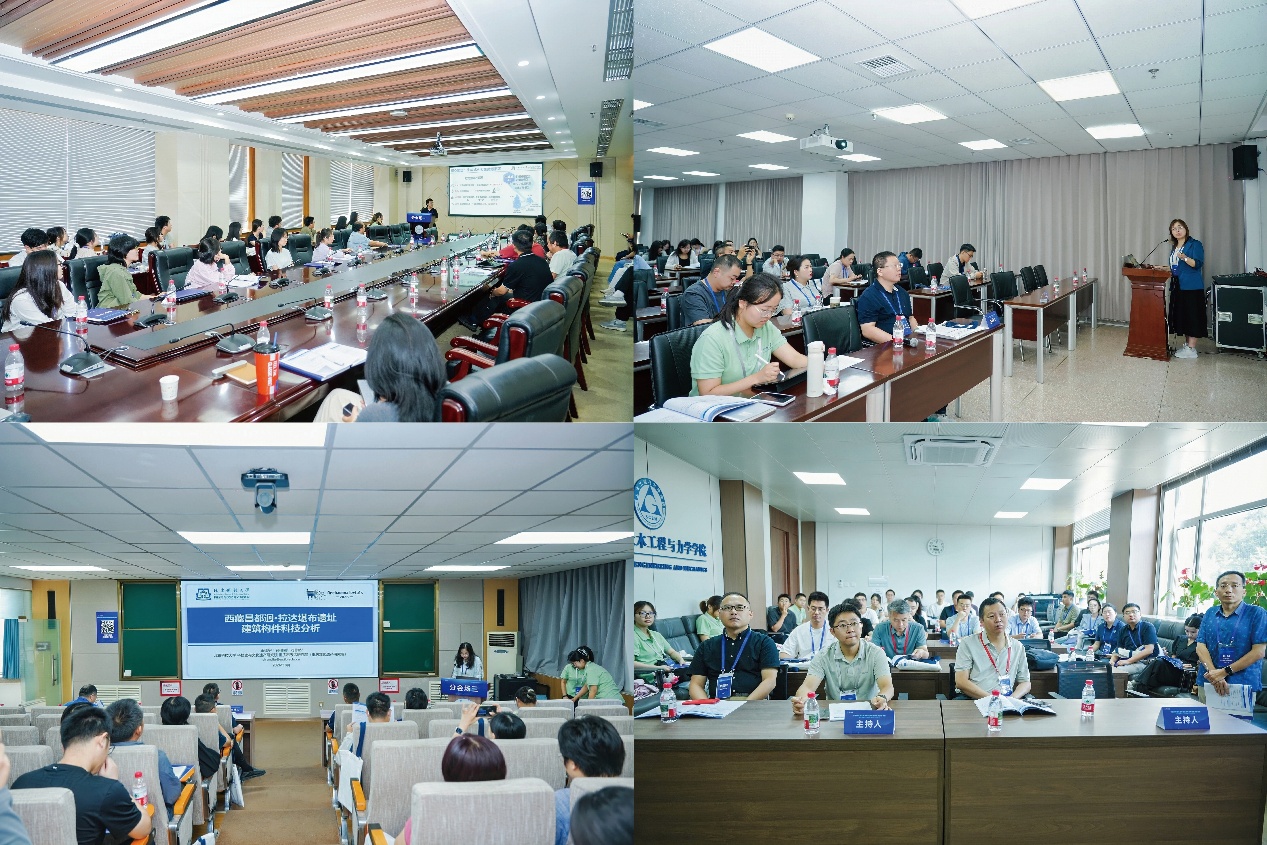
The Parallel Session
A long-standing academic tradition of the National Archaeometry Academic Symposium is to visit archaeological sites, emphasizing the integration of scientific archaeology and field archaeology. During the conference, the organizing committee arranged for participants to conduct an academic visit to the Linjia site in Dongxiang, Linxia Hui Autonomous Prefecture, Gansu Province. The visit provided firsthand understanding of the site's cultural significance and ongoing archaeological work, and facilitated discussions with field archaeologists on important research issues in scientific archaeology. The Linjia site is a typical representative of the Majiayao culture, first excavated on a large scale in 1977–1978. It is renowned for the discovery of the "First Knife of China" and is a key site for studying the periodization of the Majiayao culture and the origins of early Chinese metallurgy. In 2024–2025, the Gansu Provincial Institute of Cultural Relics and Archaeology initiated a new round of excavation at the site.
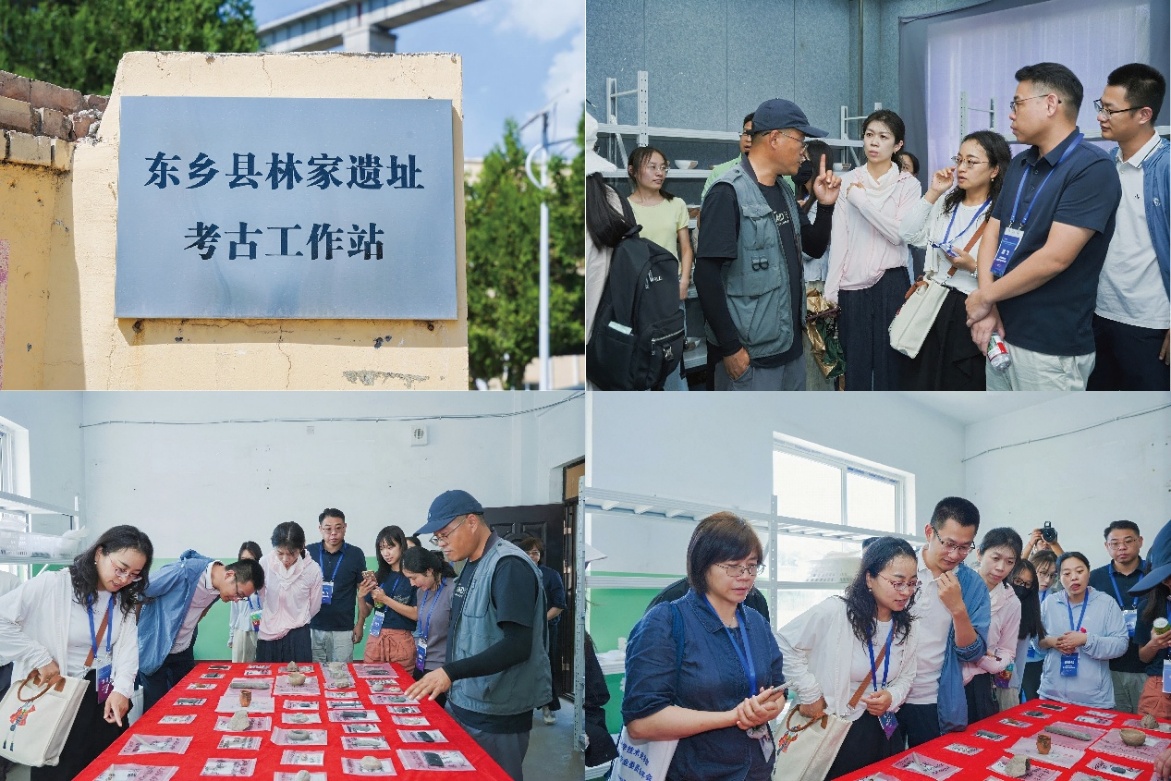
An Academic Visit to the Linjia Site
The conference also featured a "Journal Face-to-Face" exchange session, providing a platform for participants to discuss publication opportunities. Song Xiaolin, Editor of Scientia Geographica Sinica, introduced the journal's publication history for archaeological papers and the special issue on "Human Activity and Environmental Adaptation from the Perspective of Scientific Archaeology". Zhu Jieyi, Editor at Elsevier, presented the publisher's archaeology journal portfolio and addressed common submission questions from scholars. Researcher Dong Guanghui from the Institute of Earth Environment, Chinese Academy of Sciences, shared information on publishing scientific archaeology papers in Science Bulletin and Chinese Science Bulletin, and introduced special issues such as "Cross-scale Human-environment System Evolution and Anthropocene Research".
The application of cutting-edge research methods and analytical techniques was a distinctive feature of this conference. These included: compositional and structural analytical methods such as X-ray fluorescence spectroscopy, neutron imaging and diffraction, portable Raman spectroscopy, and infrared spectroscopy; organic residue and biomarker analyses including lipid analysis, proteomics, ancient DNA, and metabolomics; tracing techniques such as carbon‑nitrogen stable isotopes, compound‑specific amino acid isotopes, and strontium isotopes; high‑precision radiocarbon dating and compound‑specific amino acid radiocarbon dating; traditional methods such as phytolith analysis, starch grain analysis, and wood anatomical identification combined with AI‑assisted image classification; deep learning for site detection, artifact classification, and ground‑penetrating radar 3D reconstruction; and the construction of spectral databases to support portable non‑destructive testing. These methods and technologies fully demonstrate the scientific rigor and frontier nature of China's scientific archaeology methodology system.
At the closing ceremony, Researcher Wu Yan from the Institute of Vertebrate Paleontology and Paleoanthropology, Chinese Academy of Sciences, read the conference minutes. Subsequently, Professor Yang Yimin, Deputy Director of the Archaeometry Committee of the Chinese Society for the History of Science and Technology and Head of the Department of Anthropology and Archaeology at the University of Chinese Academy of Sciences, announced that, following deliberation by the Archaeometry Committee, the 19th National Archaeometry Academic Symposium would be hosted by the Institute of Cultural Heritage and History of Science and Technology, University of Science and Technology Beijing.
The Closing Ceremony
Scientific and technological innovation is the core driving force behind the high‑quality development of cultural heritage undertakings. The state attaches great importance to cultural relic protection and research, and has repeatedly emphasized the need to apply advanced technology. The successful convening of this conference served not only as an important platform for promoting interdisciplinary integration but also as a concrete practice in implementing the national strategy of building a culturally strong country. The conference not only established a high‑level academic exchange platform for scientific archaeology researchers nationwide but also holds significant importance for advancing the development of scientific archaeology disciplines in China, deepening the research on the origins of Chinese civilization, and promoting the protection of cultural heritage along the Silk Road.


