At the invitation of Prof. Gou Xiaohua from the School of Earth and Environmental Sciences, Lanzhou University, and the Key Laboratory of Western China's Environmental Systems, Ministry of Education, China, Researcher Shi Hua from United States Geological Survey Earth Resources Observation and Science Center (USGS EROS) will visit our university for academic exchange and deliver a lectureon July 10, 2026. All faculty members and students are welcome to attend!
Reporter: Researcher Shi Hua
Title: Vegetation Changes and Trends in Arid Ecosystems of the United States Based on Remote Sensing Data (Landsat)
Time: 10:00-11:30, July 10, 2026 (Friday)
Venue: Meeting Room 501, Qilian Hall, Chengguan Campus, Lanzhou University
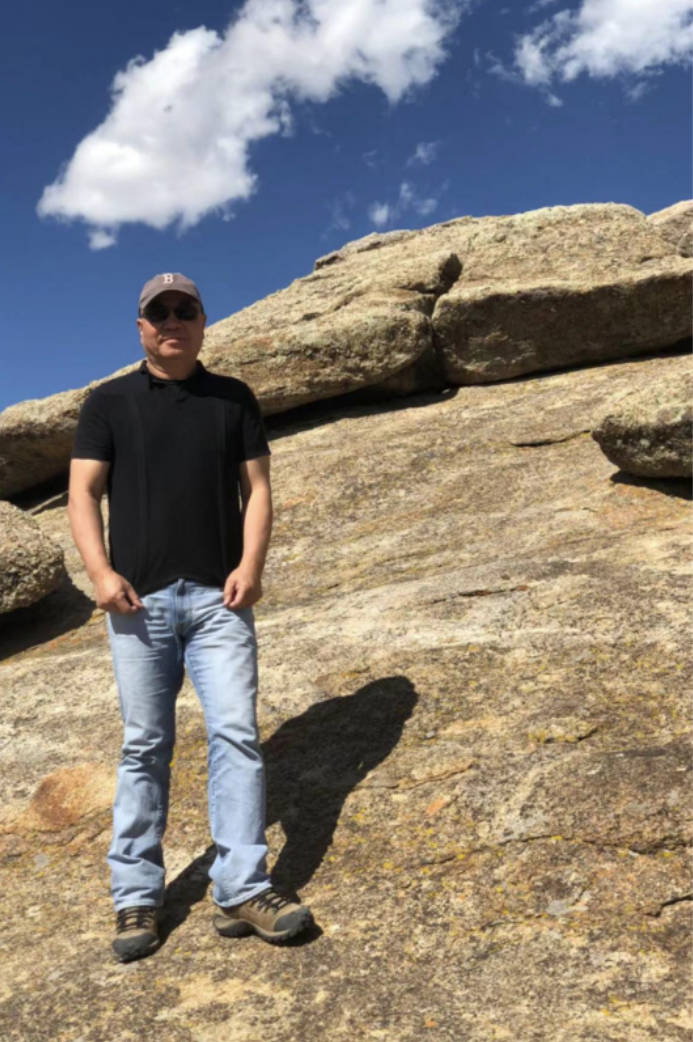
Reporter Profile:
Shi Hua is a Researcher at the United States Geological Survey (USGS) Earth Resources Observation and Science Center (EROS). His research focuses on the development and application of land use and land cover change (LUCC) monitoring models and mapping, as well as the study of interactions and relationships between humans and ecosystems. His major projects include a series of environmental assessments for the United Nations Environment Programme (UNEP), LANDFIRE, MTBS, WaterSmart, NLCD, and RCMAP. He has completed and released more than 30 datasets and research reports and has published over 60 research papers in various academic journals.
Reporter Abstract:
In this lecture, Researcher Shi Hua will use the United States National Land Cover Database (NLCD), particularly the status, monitoring, assessment, and prediction of vegetation in arid regions of the United States (RCMAP), as an example. By integrating principles of geography and ecology with field-collected observational data, he will employ time-series multi-sensor remote sensing imagery, geographic information system datasets, and spatial statistical models to evaluate ecosystem disturbances and vegetation changes at large spatial scales and over long time periods.
School of Earth and Environmental Sciences, Lanzhou University
Key Laboratory of Western China's Environmental Systems, Ministry of Education, China
July 8, 2026


