On the morning of October 20, 2025, Professor David Taylor, Head of the Department of Geography at the National University of Singapore (NUS), visited Lanzhou University at the invitation of the university. A collaborative exchange meeting was held at Room 501, Qilian Hall, in the Chengguan Campus. This high-level academic exchange aimed to deepen mutual understanding in cutting-edge geographical fields and explore substantial cooperation opportunities. The leadership of Lanzhou University attached great importance to and supported this visit. Vice President of Lanzhou University, Professor Wang Wei, Vice President and Director of the Key Laboratory of Western China's Environmental Systems, Ministry of Education, China, Professor Gou Xiaohua, attended the meeting, while Professor Li Yu, Dean of the School of Earth and Environmental Sciences, Lanzhou University, chaired the meeting. Also present were Professors Wang Xin, Huang Xiaozhong, Gao Hongshan, Nian Yanyun, Associate Professor Jin Ming, and Researcher Zhang Ke who comes from the Nanjing Institute of Geography and Limnology, Chinese Academy of Sciences.
Professor Wang Wei and Professor Gou Xiaohua warmly welcomed Professor David Taylor's visit. Professor Wang Wei emphasized that Lanzhou University has always placed internationalization as a core strategy, committed to establishing deep cooperation with top global universities. Promoting high-level international collaboration is crucial for enhancing the quality of education and academic influence. Professor Gou Xiaohua highlighted that Department of Geography, NUS, is a leader in Asia and that its disciplinary structure is highly complementary to those of School of Earth and Environmental Sciences, Lanzhou University. She noted the vast potential for cooperation and expressed her hope that this visit would mark the beginning of new, systematic cooperation, including co-building research platforms, promoting joint training, and establishing mechanisms for academic exchange.
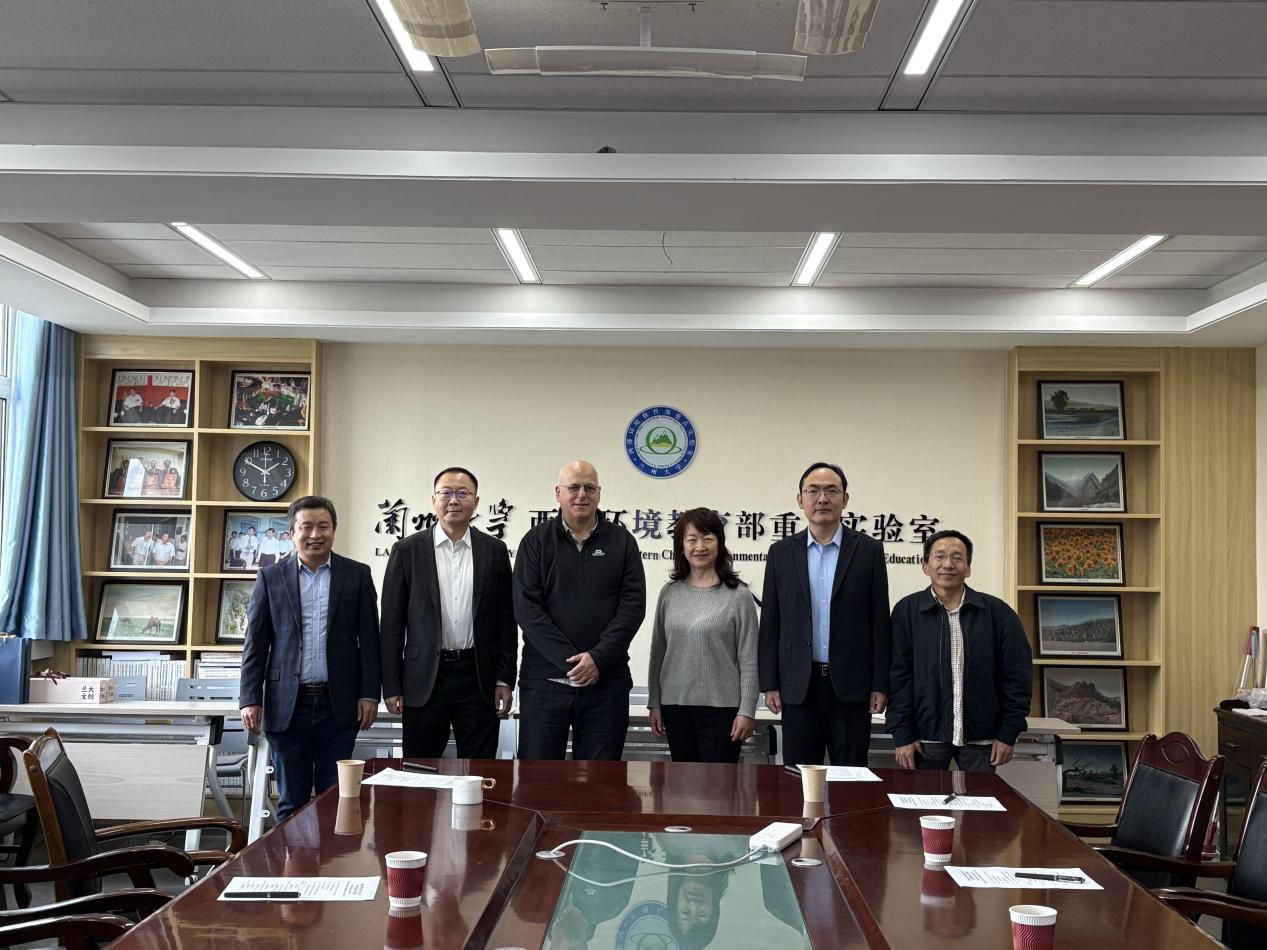
Figure 1. Group Photo of Representatives from Both Sides
In the discussion session, both sides engaged in constructive discussions on various cooperation areas. Dean Li Yu expressed the School's commitment to promoting research collaborations and exchanges between faculty and students in geography, remote sensing, and other fields with NUS. Vice Dean Wang Xin introduced the basic situation of the School and proposed the formation of a joint team to conduct innovative research on common scientific issues, exploring diverse cooperation models from short-term exchanges to joint training programs. Professor Huang Xiaozhong suggested that joint training programs are an essential way to enhance students' international perspectives. Professor Gao Hongshan recommended expanding undergraduate exchange programs, while Professor Nian Yanyun pointed out that the integration of remote sensing and Artificial Intelligence is an important breakthrough. Associate Professor Jin Ming analyzed the feasibility of collaboration based on the current joint training projects. Professor David Taylor thanked Lanzhou University for the warm reception, supported faculty and student exchanges, and welcomed Lanzhou University students and staff to visit NUS.
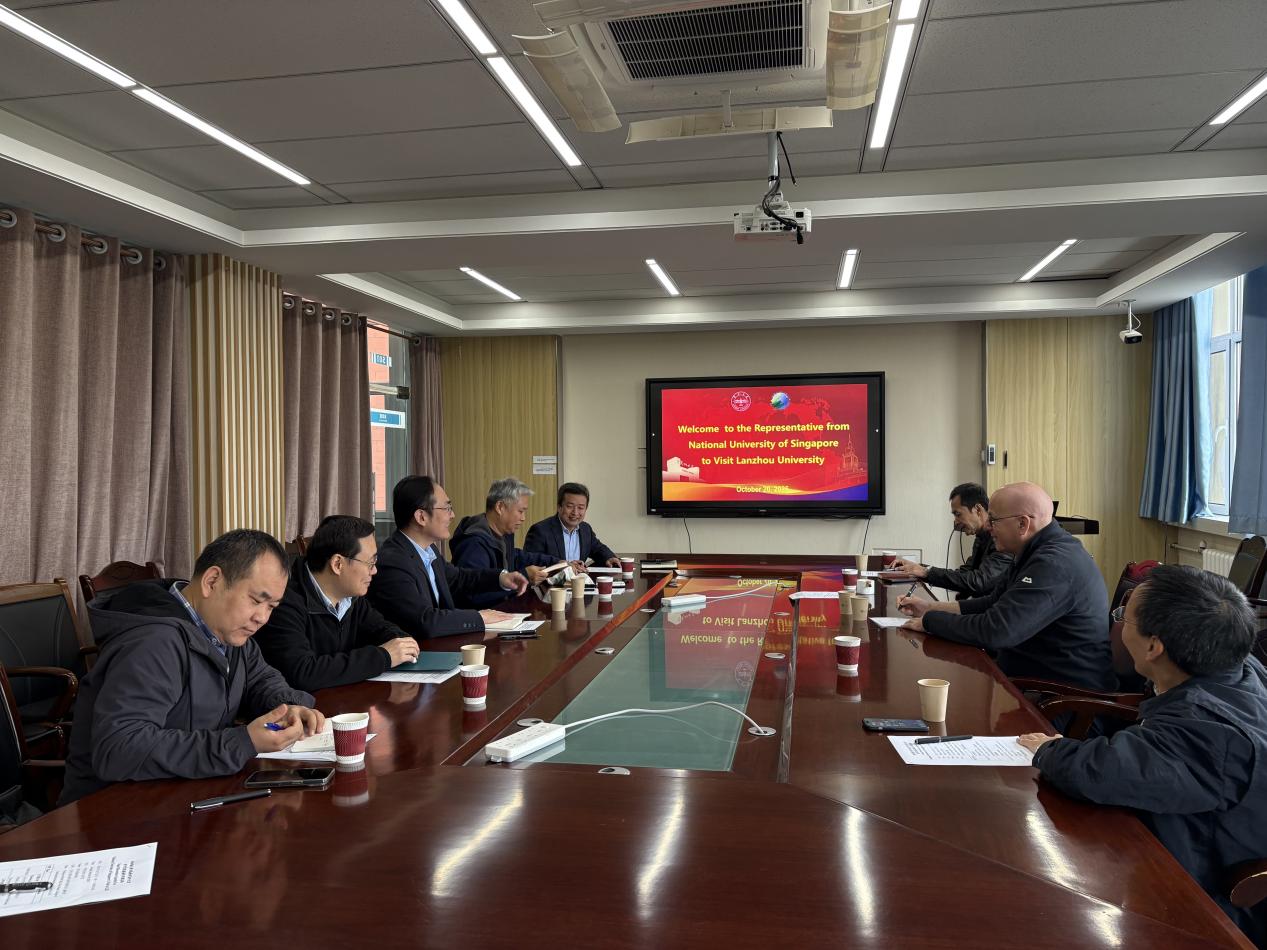
Figure 2. Scholars Engaging in Informal Discussions
In the final session, Professor David Taylor delivered an academic report titled "The Impact of El Niño-Southern Oscillation on CO₂ and CH₄ Exchange in Tropical Peatlands", where he presented the latest research findings of his team. The report pointed out that ENSO, as a key interannual climate variability signal, profoundly influences the hydrological processes and microbial activity of tropical peatlands by regulating water and thermal conditions. This, in turn, significantly drives fluctuations in greenhouse gas fluxes, such as CO₂ and CH₄. The study further revealed the biogeochemical feedback mechanisms involved and emphasized that under global warming, extreme ENSO events could accelerate the shift of tropical peatlands from carbon sinks to carbon sources, significantly impacting the global climate system. The report provided crucial scientific evidence for understanding climate-ecosystem interactions and sparked heated discussions among faculty and students regarding cutting-edge issues in the global carbon cycle.
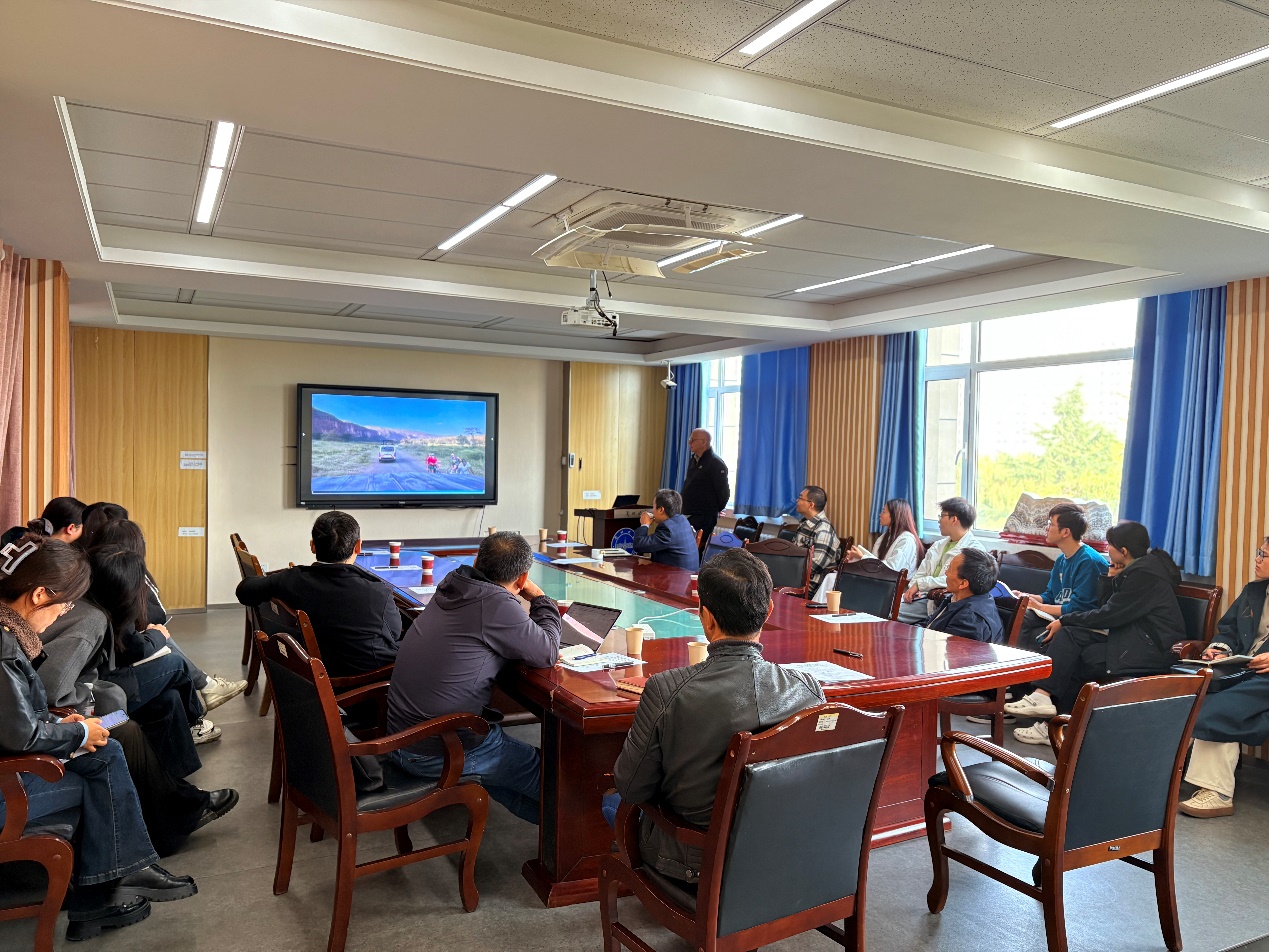
Figure 3. Scene of the Academic Report
The National University of Singapore is ranked 8th globally and 1st in Asia in the 2026 QS World University Rankings. In the 2025 QS subject rankings, NUS's Geography discipline ranks 6th globally and 1st in Asia. This visit significantly enhanced mutual understanding between both institutions and laid a solid foundation for the future establishment of a closer partnership between School of Earth and Environmental Sciences, Lanzhou University and NUS.


