From July 18 to 20, 2026, the School of Earth and Environmental Sciences at Lanzhou University successfully held the 11th Geography Summer Camp. A total of 37 outstanding students from 26 universities across China participated in the event.
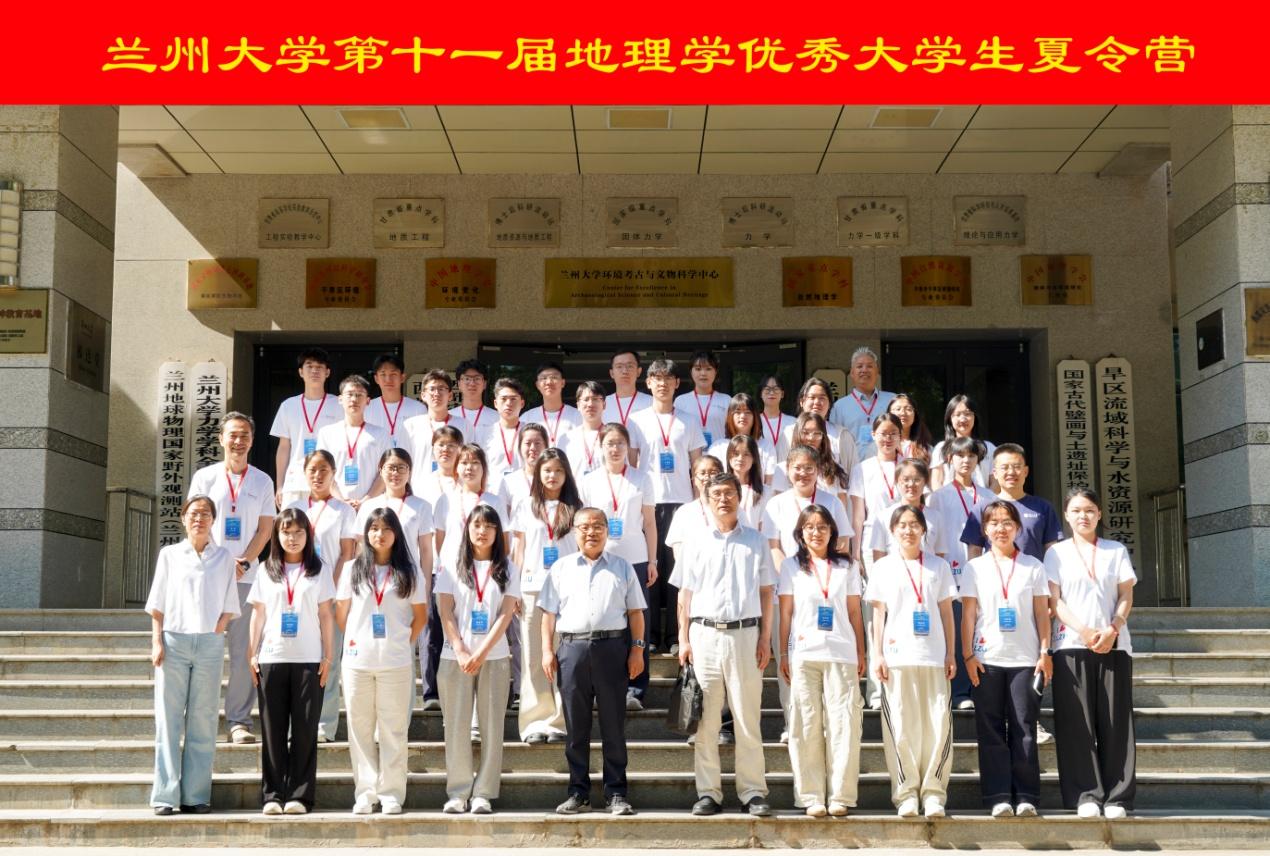
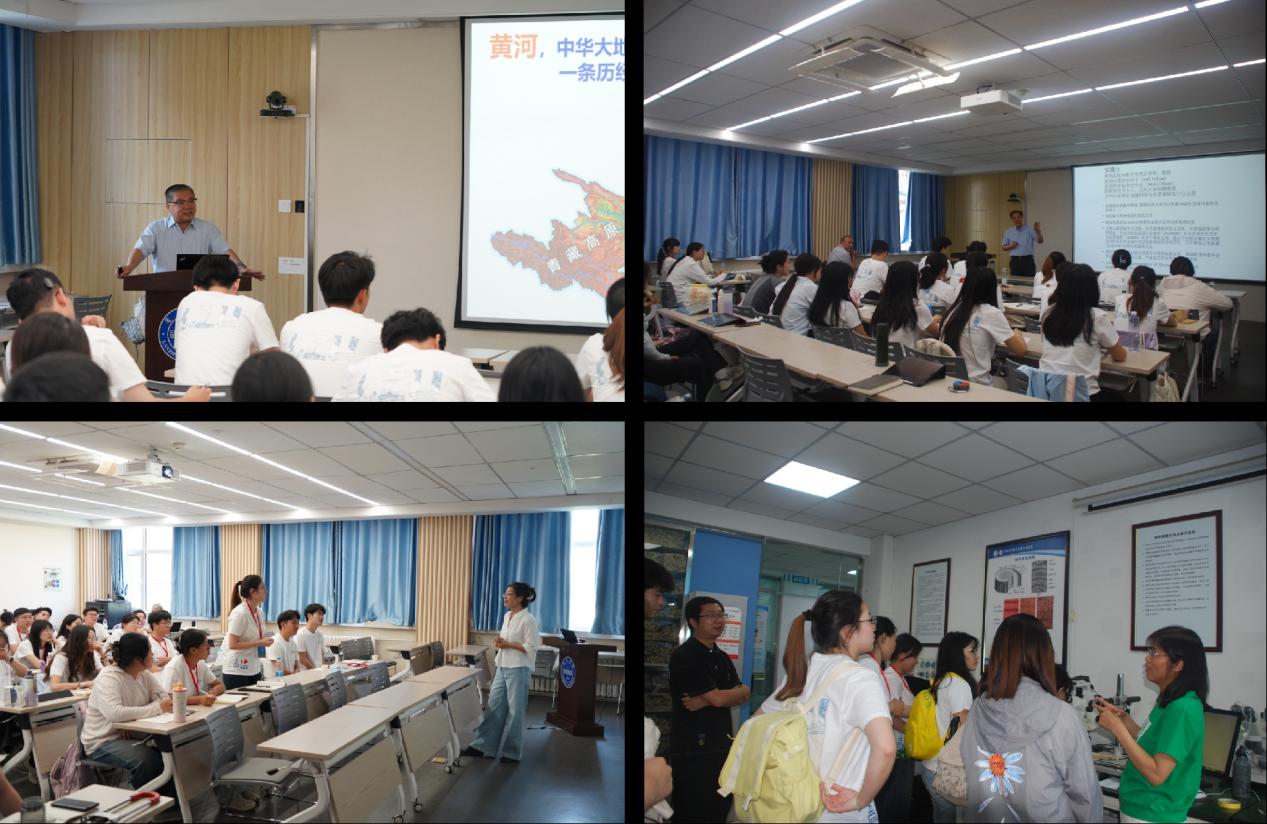
On July 19, the opening ceremony of the Summer Camp was held at Qilian Hall on the Chengguan Campus, Lanzhou University. Following the ceremony, Professors Wang Nai’ang, Yang Xiaoyan, Pan Baotian, Wang Jie, Wu Duo, and Nian Yanyun delivered academic frontier lectures and introduced the various disciplines within Geography at the School. On July 20, Professors Dong Guanghui, He Chansheng, and Yang Shengli gave thematic presentations on their respective research fields, while Professor Wang Xin introduced the development of the Key Laboratory of Western China's Environmental Systems under the Ministry of Education. Guided by faculty members, the participants visited the key laboratory, gaining deeper insights into Lanzhou University's strengths in geographical research fields and its scientific research platforms.
From July 21 to 24, led by Professors Jin Ming, Gao Hongshan, Zhang Junzhou, Zhao Qianqian, and Zhang Yujie, the participants carried out field investigations.
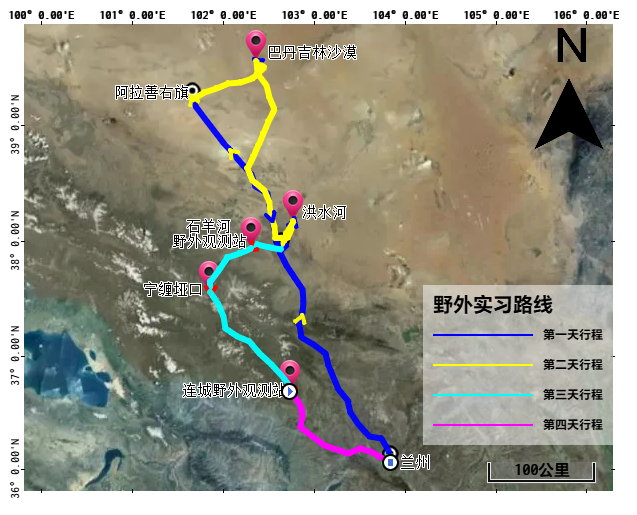
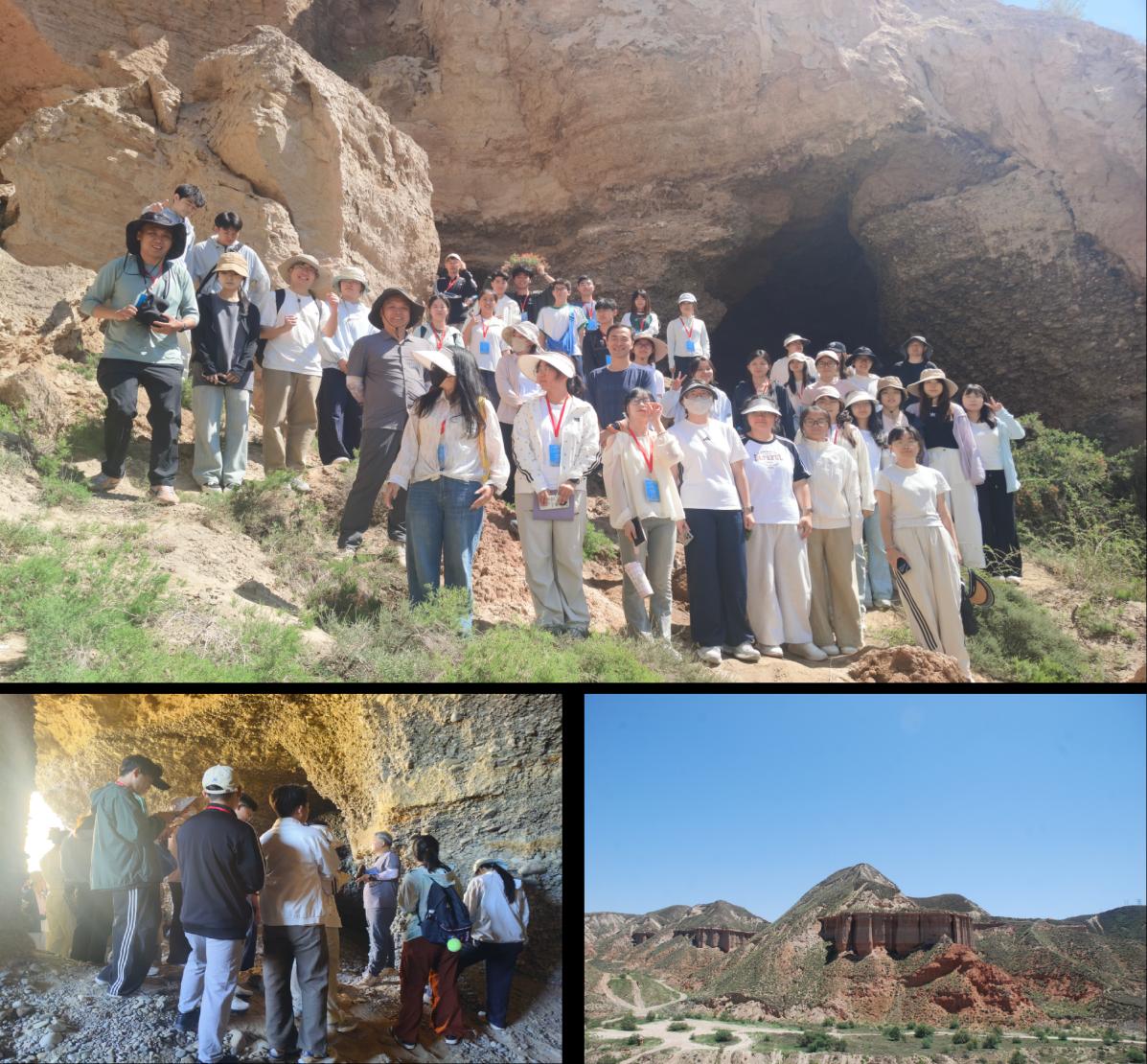
Among the field sites, at Dunwashan Mountain and Jiuzhoutai, Professor Gao Hongshan provided a detailed introduction to the formation processes and research history of river terraces and loess strata. At Tianfu Shagong, Professor Gao further explained the composition and development of hillslopes, as well as classic theories of long-term hillslope evolution, including Davis’s theory of slope decline, Penck’s theory of slope replacement, and King’s theory of parallel slope retreat.
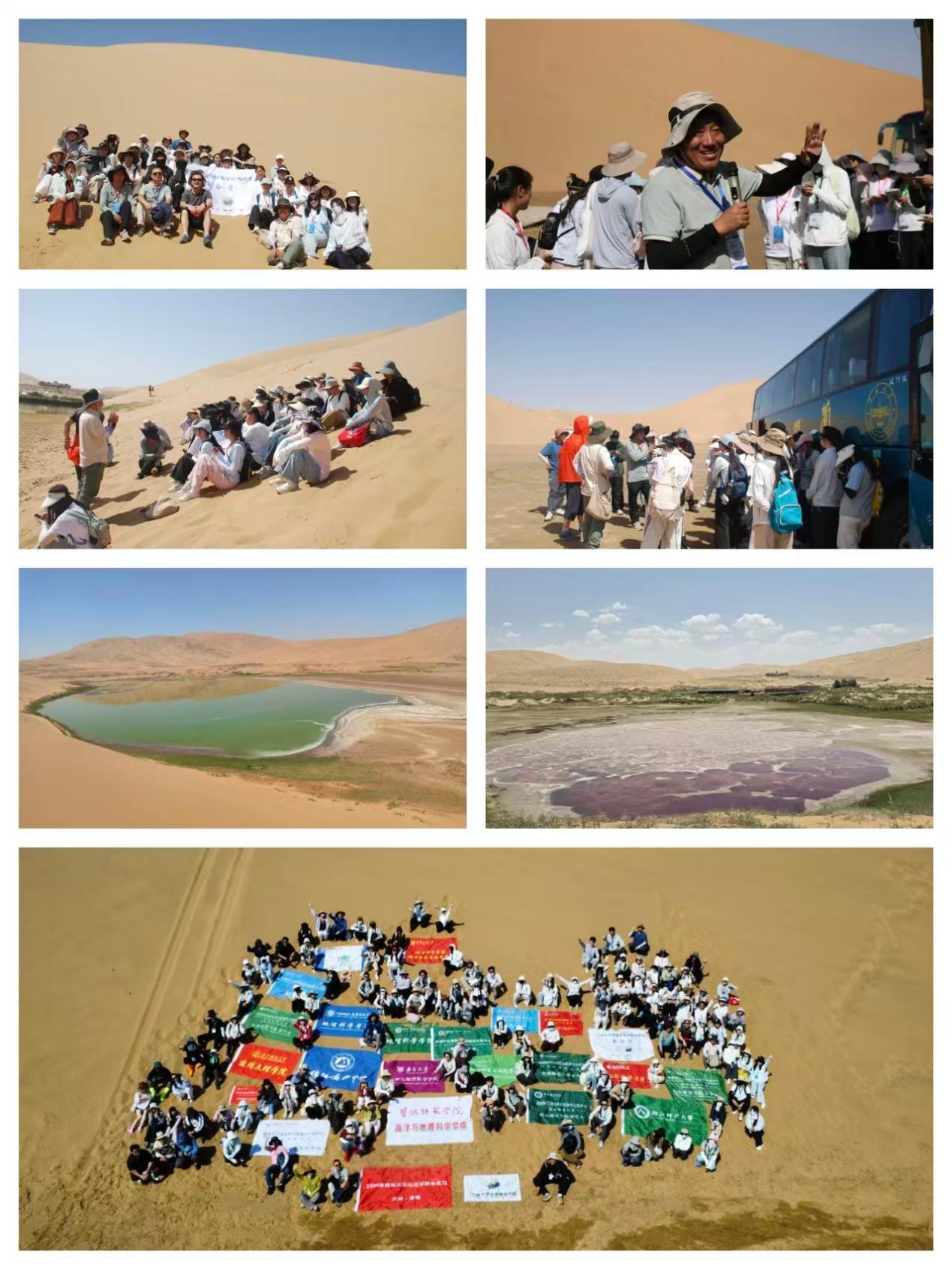
During the field investigation in the Badain Jaran Desert, Professor Li Zhuolun and Associate Professor Jin Ming provided detailed explanations of the formation mechanisms of megadunes and desert water circulation processes. They also discussed topics including aeolian geomorphology and desertification, as well as the formation mechanisms and measurement methods of barchan dunes. Associate Professor Jin Ming and Professor Zhang Junzhou further introduced the characteristic traits of desert flora and fauna and their adaptive mechanisms to harsh environmental conditions.
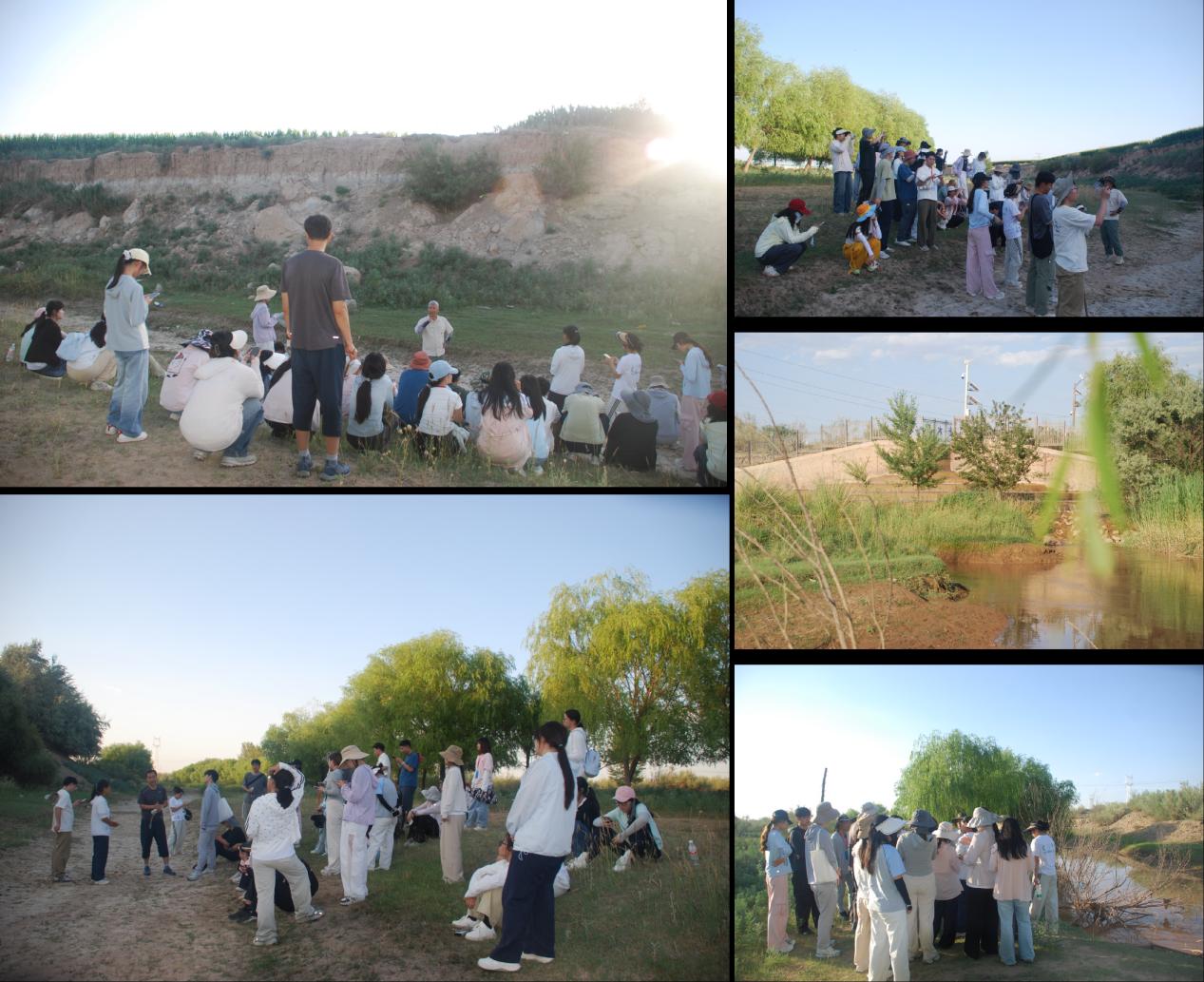
At the Hongshui River Valley in Minqin, Professor Gao Hongshan explained the practical significance of the Yellow River-to-Qinghai water diversion project and introduced the formation processes of depositional terraces, as well as classical theories related to meandering rivers and secondary circulation. Associate Professor Jin Ming discussed the significance of sedimentary strata as indicators of environmental changes from the perspective of paleoenvironmental research.
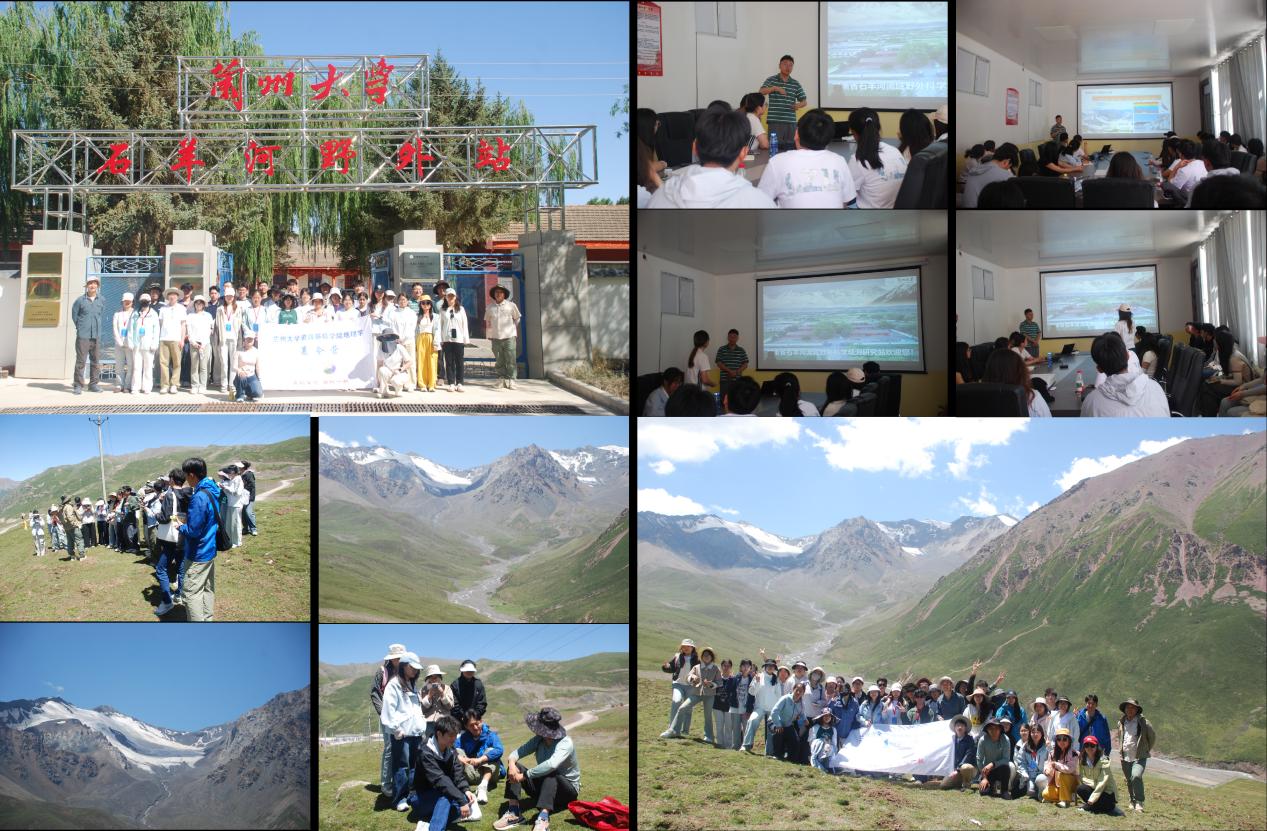
On July 23, the participants visited the Shiyang River Basin Provincial Field Scientific Observation Station (Wuwei Liangzhou). Teacher Guan Weijin introduced the station’s construction history, observation parameters, and service functions, helping the students gain a deeper understanding of the station’s “one station, multiple fields” observation system. Subsequently, led by the instructors, the campers conducted a field investigation of glacial landforms at the Ningchan River Pass. Professor Gao Hongshan provided a detailed explanation of Penck’s fundamental principles of geomorphology, Dury’s theory of asymmetric rivers, and other classic geomorphological theories.
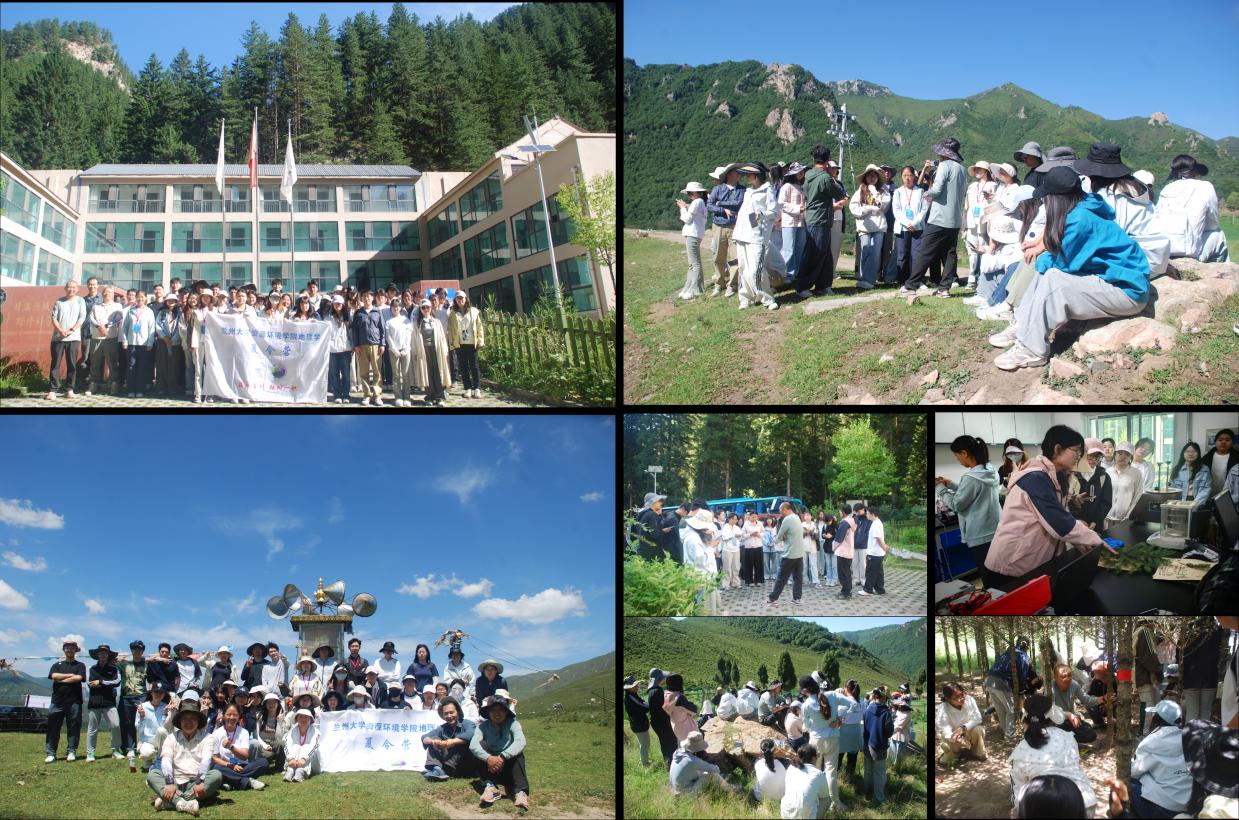
At the Gansu Liancheng Forest Ecosystem Field Scientific Observation and Research Station, Professor Zhang Junzhou provided a detailed introduction to the characteristics of vegetation evolution in the Qilian Mountains and the coupling relationships between vegetation dynamics and various environmental factors. He also guided all campers in visiting the station’s observation plots one by one, comprehensively explaining the background of the station’s establishment, its research focuses, and routine monitoring activities.
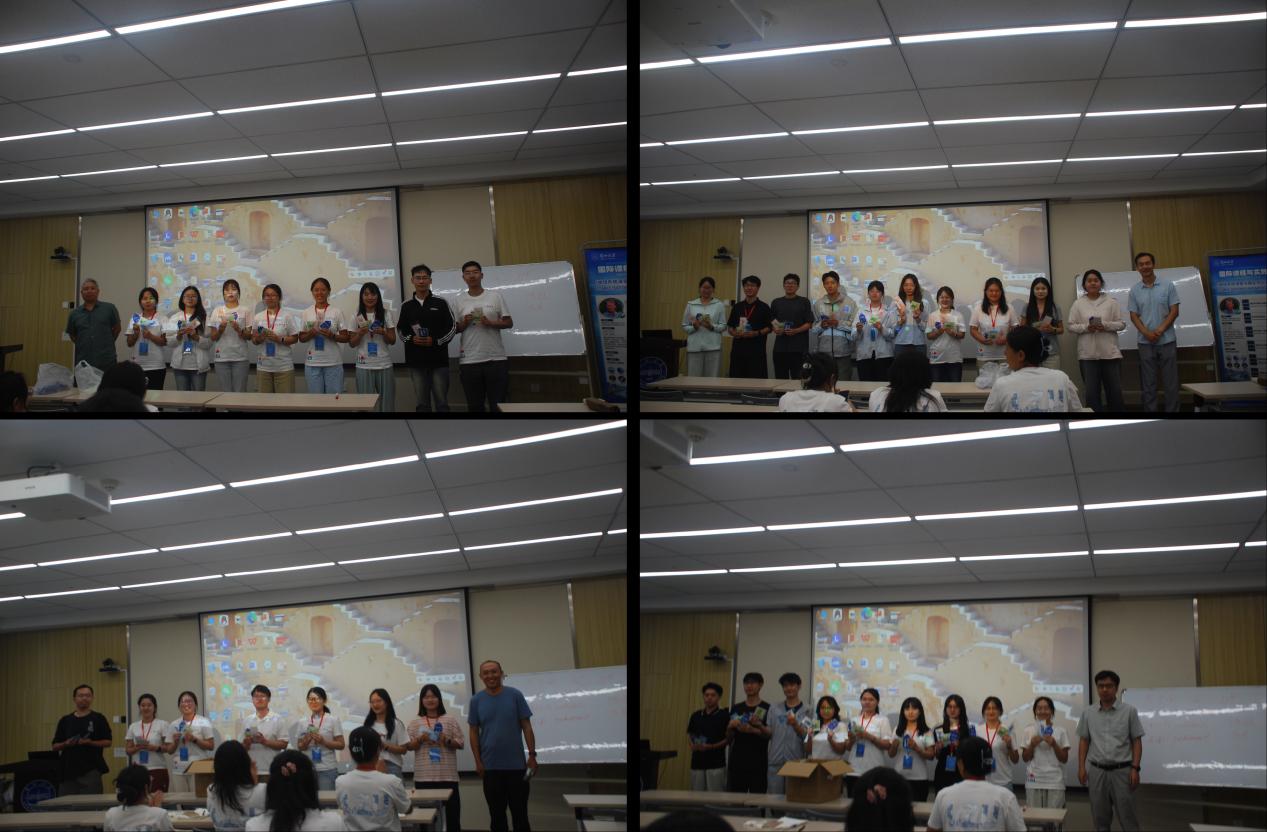
On the afternoon of July 25, a concluding session for the Summer Camp was held at Qilian Hall. First, Professor Li Zhuolun delivered an academic frontier lecture and introduced the Earth System Science discipline at the College. Subsequently, representatives from each group took the stage to share their experiences, presenting their observations, learning outcomes, and personal reflections from the field practice. Drawing on their practical experiences, they exchanged ideas and insights while expressing their aspirations and future plans for pursuing research in their respective fields. The 11th Geography Summer Camp concluded successfully amid enthusiastic applause from all participants.
The School of Earth and Environmental Sciences at Lanzhou University has long been committed to cultivating high-quality scientific research talent. The Summer Camp provided an excellent platform for students of Geography from across China to engage in academic exchanges, showcase their abilities, and explore future research opportunities. The College hopes that young scholars will embrace a strong sense of responsibility toward the nation, undertake the mission of the times, contribute to the development of western China, and apply their knowledge and capabilities to support high-quality regional development.


